The choice between physical vs virtual cards represents two distinct ways to manage your money effectively. Whether you prefer the tangibility of a plastic card or the convenience of a digital alternative, the right choice depends on your lifestyle, security needs, and spending habits.
From shopping online to spending in-store, knowing how they differ helps you make the most of your budget's flexibility and control. Understanding the operational differences helps modern users make smarter, safer financial decisions.
We've highlighted key considerations between physical vs virtual cards including spending controls, usability for travel, availability, and hybrid deployment strategy configurations. Join us in this blog as we explore the differences, analyzing how they stack up in everyday use cases, security structures, and travel scenarios to discover which style best fits your life!
What Are Physical and Virtual Cards?
A physical card is a traditional plastic payment card that most people are familiar with. It is provided by a financial institution or service provider and linked to a prepaid account, debit card, or credit line in most cases. You can keep it in your wallet, run it at terminals, and take it out of ATMs. Thanks to their wide acceptance rate, physical cards are perfect for daily purchases when you can’t pay digitally.
A virtual card, in contrast, is just a number and nothing more than that, as it has no physical form. It’s like a real card in that it can be used to make payments, but you can’t hold it. Instead, the users get connected to it through a mobile app or web dashboard interface.
Virtual cards have a unique 16-digit number, an expiry date, and a CVV, similar to a physical card, but they can only be used for online or contactless payments. Some providers deliver virtual prepaid cards which can be used directly after sign-up, without waiting for delivery of a physical card.
There is one major difference in how they are obtained: the making and shipping of physical cards need to wait for possibly days. Virtual cards are created instantly, so they come in handy when you need to make purchases in a hurry. Both can be reloadable, but virtual cards can include extra security features, such as single-use numbers for purchases over the web.
Related Content: The Benefits of Virtual Cards
Everyday Use Cases Compared
How you spend every day will determine if a physical or virtual card is right for you. Here’s how they stack up in common scenarios:
Shopping and Subscriptions
There is often a debate about whether to use a virtual card vs debit card when shopping online. A virtual card plays a lead role when it comes to convenience for online shopping. Virtual cards enable fast purchases without sharing your bank or primary details.
Explore More: How Virtual Cards Make Online Shopping Safer?
Many users find this convenient for subscription services; if a free trial turns into a paid subscription, you can just cancel or limit how much you load onto the virtual card. Physical cards, which can be used online, don’t provide the same options for controlling live subscription payments.
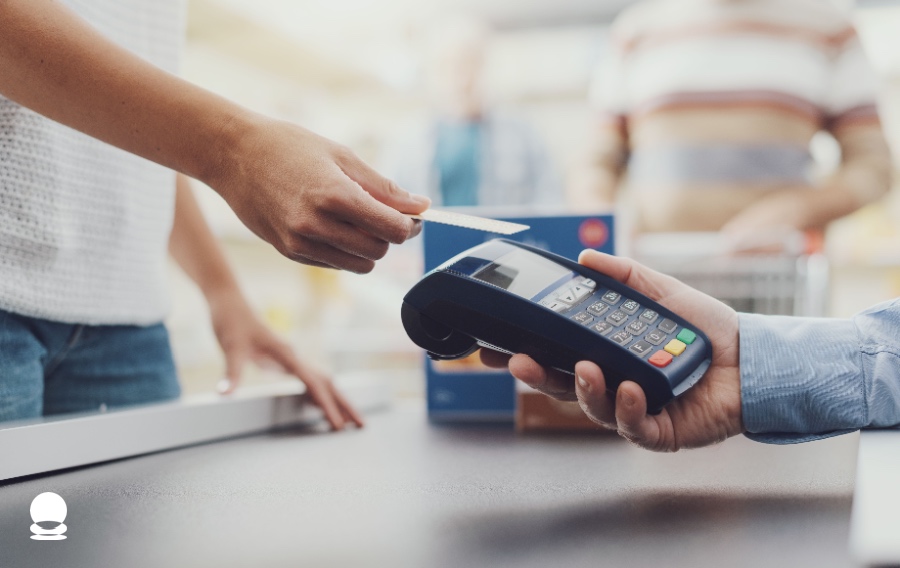
Physical cards are still king in-store. Tap at the grocery store or insert at the pump; nothing beats the convenience and ubiquity of plastic. Some virtual cards do now work with mobile wallets (Apple Pay, Google Pay) to close the gap, but not all merchants are enabled for contactless payments just yet.
Travel and International Spending
Travelers commonly encounter a card spending comparison: bring a physical card in case of emergency, or stick purely to a virtual card for security? You need physical cards if you’re withdrawing cash overseas, but virtual cards are handy for booking flights and hotels online since they’re less likely to be compromised by fraud. Some digital wallets even feature currency conversion at favorable rates, which makes them an excellent option for international buyers.
Also Explore: Dining Abroad: Paying Abroad With Digital Wallet
Gaming and More
Gamers and bettors often rely on prepaid options to keep wagers in check. A virtual card associated with a digital wallet allows one to make deposits to a gaming platform without disclosing bank details. There is also a screening process for physical cards, but virtual cards provide an additional layer of concealment, perfect for anyone who likes to keep their spending private.

Security Differences Explained
Security-wise, there’s no doubt: virtual cards are superior when it comes to digital cards security. Since they’re not physically there, they can’t be stolen or lost as you would normally experience.
Many providers offer things such as single-use virtual account numbers for single-use transactions, spending caps that limit vulnerability in case of a breach, and the ability to freeze immediately if suspicious activity is suspected.
The only thing about physical cards is that they are susceptible to being skimmed, cloned, or lost. But chip-and-PIN has greatly curtailed fraud. The best approach? Use a physical card for in-person transactions at merchants you trust and a virtual card for online or high-risk purchases.
Another consideration is data exposure. When you use a physical card, your information is given to the merchant each time you swipe. Virtual cards hide your main account so you are less exposed to leaks. If you’re most interested in online payment card security, then go with the virtual ones; they’re always the better option in that regard.
To Stay Secure: Things to Know for Your Personal Cybersecurity
Online vs. In-Store Spending
Preferences for online versus in-store spending will also influence what type of card you’re looking for. Here’s how they compare:
Online Purchases
Virtual cards shine here. They are built for online shopping, with options such as speedier checkout with stored digital wallets and diminished risk of fraud with disposable numbers. You don’t have to fill in shipping information manually since there is no physical card to pull out.
Advanced services take this further by providing instant top-ups through retail, so you’re never left holding your breath for cash. For those who buy stuff online all the time, a virtual card is a saver.
In-Store Purchases
Offline spending is severely dominated by physical cards. Even with the advent of mobile payments, not all merchants who take credit cards can take digital wallets. A physical prepaid card can be used wherever global payment processors are accepted, including at ATMs so you can get cash. If you use your cards for both online and offline purchases, you’ll need both types to be fully covered.
Hybrid Spending
Some users take a hybrid strategy: a virtual card for subscriptions, online shopping, and international payments, combined with a physical card for groceries, dining, and emergencies. This card payments approach mixes convenience and security, allowing you to take advantage of the best each card has to offer.
Managing Multiple Cards
Organizing multiple cards can be a challenge, whether they’re physical or virtual cards, or both. Here's how to speed up the process:
Track Spending in One Place
Digital wallets bring your transactions together and provide a unified view of physical and virtual card transactions. Set up alerts on your phone to notify you when you make a purchase, when your balance is low, or when suspicious activity is taking place.
Set Spending Limits
Virtual cards allow you to set custom limits on spending per transaction or per merchant. For example, you can assign $50/month to a streaming service with a specific virtual card, or limit a physical card to $200 for groceries once a week. It makes it easier to avoid buying too many things and keep your spending under control.
Leverage Loyalty Programs
Some issuers offer points or cash-back perks for using their services. Reward programs allow consumers to earn points on just about every transaction, whether via a physical or virtual card. Trade in points for discounts, gift cards, or even upgrades on your accounts.
Upgrade for Better Perks
There are premium levels (e.g., VIP programs) that heavy users may become eligible for which offer reduced fees, increased limits, and exclusive card payment options. Analyzing your expenses will give you an idea if the upgrade is a good idea.
Security Best Practices
- For physical cards: turn on SMS alerts, always use chip readers, and don't share your PIN.
- For virtual cards: create unique numbers for at-risk merchants and delete cards that aren't used.
- Both: scrutinize statements frequently and report any suspicious activity promptly.
Spending Limits and Controls
A major distinction between physical and virtual cards is the way in which spending limitations are enforced. Physical cards generally have fixed debit or credit limits linked to a bank account, while virtual cards can be tailored for individual transactions.
Customizable Limits for Virtual Cards
Virtual cards enable you to set a maximum spend or one-time use per transaction or merchant. This option is great for budgeting or avoiding unauthorized charges. For instance, parents can give a virtual card to their child with a set amount of money per month, making sure it doesn’t get spent all at once.
Physical cards, in contrast, are generally tied to an account’s overall balance or credit limit. Although some banks allow users to change limits, the procedure is more rigid when compared to digital products.
Security Through Single-Use Numbers
One of the benefits of digital card security is that they can produce temporary card numbers that can be used once. The temporary information expires after a use, which helps to mitigate the risk of fraud. In contrast, physical cards use static numbers, making them more vulnerable if lost or stolen.
For those who are control freaks, a card spending comparison shows that virtual cards tend to offer more granular controls. You can freeze or delete a virtual card right away from an app, yet getting a new physical card if you lost one takes a little time.
Travel and International Use
When you’re on the road, a few simple card payment tricks may result in some spare cash and less hassle. Like physical cards, virtual cards have some benefits and disadvantages when it comes to international payments.
Foreign Transaction Fees and Exchange Rates
Unless they’re travel cards, physical cards are likely to attract foreign transaction fees (usually 1-3% per purchase) too. Certain online payment cards provide favorable exchange rates and reduced fees for international transactions. People can also secure rates with alerts, so they will get more bang for their buck when exchanging money.
International Usability and Availability
Unlike physical cards, which can be used at ATMs and at retail locations, virtual cards have a particular strength when it comes to online travel bookings. You can pay for many hotels, car rentals, and websites, so they’re handy for buying things before you go. Yet, a physical card is still required in some places where cash or chip-and-PIN machines are king.
If you are a frequent traveler, you will want to take both with you. A virtual card vs debit card comparison shows that digital options excel for online security, while physical cards remain practical for in-person emergencies.
Related Content: Virtual Cards Are the Future of Travel Payments
Convenience and Accessibility
The ease of getting and using a card can have an impact on everyday life. Here’s how physical vs virtual cards stack up in terms of convenience.
Instant Issuance and Top-Ups
Virtual cards are available immediately with advanced tech services, and you don't have to wait for them to arrive in the mail. Users can add funds to balances using bank transfers, gift cards, or linked accounts, sometimes for a small fee. However, physical cards need to be shipped and may require activation.
Mobile Wallet Integration
Both cards can be added to your mobile wallet (Apple Pay, Google Pay) so that virtual cards allow you to enjoy seamless experiences. Virtual tokens can be used right away on online subscriptions, gaming deposits, or betting platforms without the need for a physical swipe.
Backup and Replacement
If you lose a physical card, you have to request a replacement, which could take days. Virtual cards do away with this risk; you can create a new number in seconds. This kind of convenience helps make security a major selling point for digital cards, especially for those who have a tendency to lose things.
Combining Physical and Virtual Cards
Many users have found that they can have the best of both worlds and make use of each one. A blended approach allows you to optimize each card for the best in efficiency and effectiveness.
For recurring bills, have a virtual card with a fixed limit for all your subscriptions (Netflix, Spotify) to avoid overcharges. For shopping in stores, use a physical card for groceries, gas, or retail shops that don’t take digital payment. For online shopping, use virtual cards to ensure you are not exposing your primary card information to hackers.
This hybrid approach allows users to toggle between card profiles based on need. Utilizing a unified platform's loyalty program also rewards transactions across both card types, adding incentives to diversify usage.
Leveraging Rewards and Perks
Some card payment options offer cashback or points for specific spending categories. Virtual cards are easiest to customize when it comes to rewards, such as having a card dedicated to travel purchases so you can rake in extra miles. Rewards for physical cards may be more general and lack the same level of granularity in control.
Choosing the Right Card for You
It is a matter of personal preference whether you use physical or virtual cards, based on your spending habits, need for security, and lifestyle. Here’s a quick guide to help:
Order a Physical Card If You:
- Frequently shop in-person or need ATM access.
- Want a physical backup just in case.
- Travel to regions with limited digital payment infrastructure.
Pick a Virtual Card If You:
- Prioritize safety and fraud prevention via enhanced digital cards security.
- Make most purchases online via online payment cards (shopping, gaming, and more).
- Demand adjustable spending limits and instant issuance.
Also Explore: Why Virtual Cards Are the Future
Ideal for Both:
- Convenience and peace of mind.
- Splitting your personal and subscription spend.
- Platform specific benefits.
In the end, the best option is the one that best meets how you spend and where you spend, and which risks you are willing to take. Modern financial tech offers seamless dual access for you to move with flexibility from your first coffee to your final international payment.
Wrapping Up: Unlock Flexible Card Payment Options With Jeton
Finding the perfect balance between physical vs virtual cards shouldn't mean compromising on convenience or security. The Jeton ecosystem removes the guesswork from your card spending comparison by giving you the freedom to deploy both card types simultaneously from a single account.
Whether you need the absolute safety of a virtual card for secure payments while browsing global e-commerce sites, or the real-world utility of a physical Jeton Card at an ATM abroad, the platform streamlines your financial layout. You gain ultimate oversight over your capital with immediate top-ups, customizable limits, and zero traditional banking paperwork.
Jeton maximizes your digital card security by putting advanced card management directly in your palm. If you are comparing a virtual card vs debit card structure for your monthly subscriptions, Jeton allows you to generate instantly active virtual cards with targeted merchant spending limits.
This precise control protects your main account balance from data leaks and unexpected recurring charges. Managing your hybrid spending strategy with Jeton is built to be quick and efficient:
- Log into your dashboard and tap 'Issue Card' to instantly generate a new virtual card.
- Set specific merchant spending caps or allocate a one-time budget limit to the card.
- Load your wallet balance using instant local bank transfers or alternative payment options.
- Add your virtual or physical Jeton Card details to Apple Pay or Google Pay for immediate use.
- Track your ongoing transactions in real-time or freeze any card with a single tap if needed.
For those who are interested in mobile wallet integration:
Stop limiting your financial flexibility with rigid, legacy banking options that compromise your safety online. Elevate your global spending power and experience the ultimate peace of mind.
Download the Jeton app via the App Store or Google Play Store today and seamlessly customize your card experience to match your modern lifestyle!