International payments can involve several different banking codes, and it’s easy to confuse an IBAN with a routing number. While both are used to identify bank accounts and facilitate payments, they serve different purposes and are used in different countries. In this guide, we’ll explain the key differences between an IBAN and a routing number, how each works, and which banking code you may need for your international transfer.
To understand modern financial systems, it is necessary to have a clear view of the various identification codes that institutions use worldwide. One of the most common questions I get from users is “is IBAN the same as a routing number?" especially when they are setting up new accounts or trying to receive money from abroad.
The IBAN vs routing number debate is generally about where the bank is located and what the payment network being used requires.
Is IBAN the Same as the Routing Number? A Clear Breakdown
Both codes are used to route money, and many people get confused by this. But in the global banking system, they're not interchangeable. The routing number is a domestic bank tool in America, and the other is an international standard used by over 70 countries.
If you are sending money within the US domestically, you will almost always need a routing number and an account number. However, when money is going overseas or between countries in Europe, the international format is the main requirement for successful delivery.
A couple of key differences to remember are as follows:
- The American code is always nine digits, but the international one can be as long as thirty-four, depending on the country.
- Routing numbers are only used domestically, but the international code is specifically to allow communication across borders.
- Most European banks will want the international code on every transaction, no matter how much money you are sending.
You should always check international bank account number details before remitting funds so that they comply with the length and format requirements of the destination country. The structure of these codes varies from country to country and includes a country code, check digits and the basic bank account number.
Jeton helps you to get through these intricacies with a simple interface that makes it easy to enter multiple foreign bank details for your day-to-day requirements. When you select to send money with Jeton, there are often swift transfer options to help bridge the gap between various banking standards.
Understanding IBAN vs Routing Number for US-EU Transfers
If you want to do money transfers from the US to Europe (or vice versa), you have to understand well the way these two systems work together when you make a transaction. Typically an international wire transfer requires a combination of codes, e.g., the SWIFT/BIC code and either a routing number or an IBAN.
If you send money to a friend in Germany, they will give you their international account number. But if they send money to you in New York, they will probably need your bank's routing number.
This can be made easier by using an online payment account that can understand both systems as a middleman. These accounts can also hold multiple currencies, making it easier to convert the money at good rates before you start the transfer. There are many steps involved with moving money across the Atlantic:
- First of all, you should check the full legal name of the recipient and the precise bank codes.
- Then you need to check for any additional costs that might be taken out by intermediary banks along the way.
- Finally, ensure that the exchange rate of the currency is fixed so that there are no fluctuations in the final amount received.
How to Check International Bank Account Number (IBAN)
Verification of an account number is a part of the security measure for any modern financial transaction. You can often find this number on your bank statement or by logging into your online banking portal under the account details section.
That is not just a random string of numbers but a string that contains information about the bank, the branch and the account that has been encoded. There are many online tools to help you validate the structure of code before you commit a wire transfer bank transfer to an unknown party.
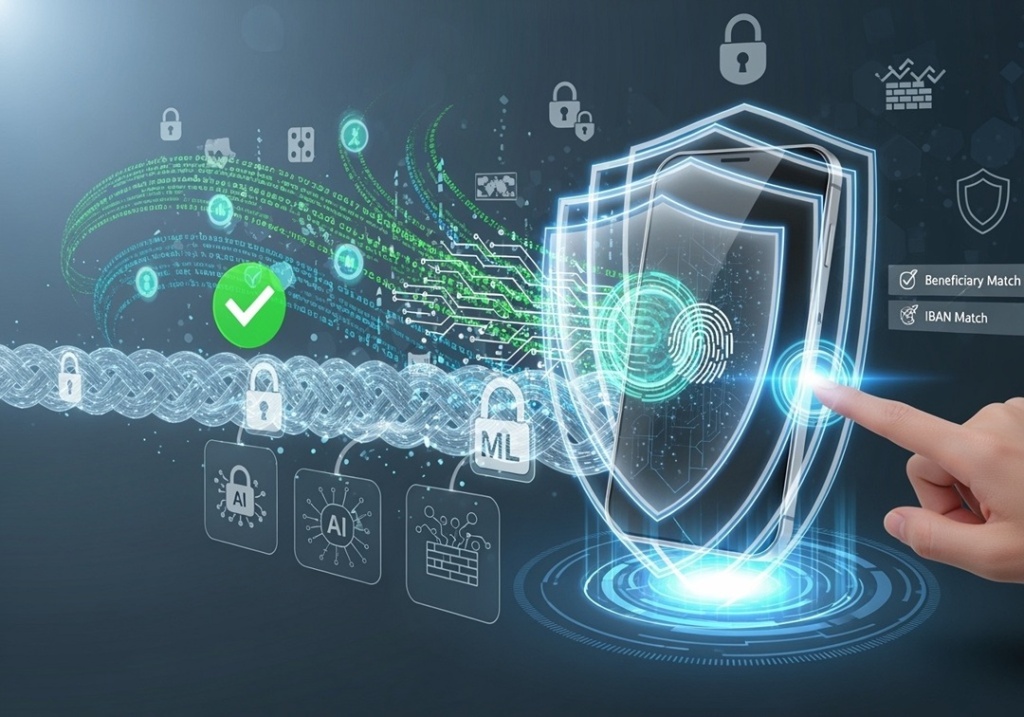
Security is the first thing that has to be considered in international movements of large sums of money. These checks are done on modern platforms such as the Jeton app that use advanced encryption to keep your data safe.
A dedicated app reduces the risk of falling victim to fake bank code validators, which are designed to steal your information but pose as legitimate sites. When it comes to sensitive financial identifiers, always use official banking apps and trusted sources to safeguard your hard-earned capital from potential threats.
What is a Routing Number and When Do You Need It?
A routing number is basically the address of your bank inside the U.S. financial network. You need it to set up direct deposits, pay bills online via a checking account, or send domestic wires to other U.S. residents.
It is a public piece of information, but it needs to be paired with your private account number to complete a transaction. Most banks have separate routing numbers for paper documents and digital wire transfers, so always verify what you need for your specific task.
If you’re a freelancer or small business owner, providing the right routing info is the only way to get paid on time.
Performing an International Wire Transfer Using the Right Code
The last step is the real implementation of the transfer using the information you have gathered. Now that you have verified that IBAN is not the same as a routing number and you have found the correct code, you are good to go.
On most digital platforms you will be asked to review the details one more time before the money is sent. Use this time to check for typos because even one wrong digit can send the money back, usually with lost fees and a lot of frustration.
With the right tools and a little know-how, you can learn the art of international banking and make sure your money gets where it is supposed to go. You should be empowered by managing your money, not stressed out or confused.
Keep an eye on the timing of your transfer and the holidays in the countries you are sending to make sure everything goes smoothly.
Why Your Online Payment Account Requires These Details
A modern online payment account relies on accurate data to confirm the link between the sender and receiver of a transaction. The only way it can do this without someone manually processing your request is to have the correct banking details.
If the information is wrong, the receiving bank may take a lot of time to process the payment or even reject it altogether. These specific identifiers are required so that digital platforms can verify that the destination institution is part of a proper and regulated network.
Updating your profile information is a good way to avoid the hassle of having to enter long strings of digits for each new transaction you start. To build a reliable transaction history for personal budgeting or official financial recordkeeping, be consistent in your data entry methods.
The Jeton app makes it easy to store and manage your regular payment destinations, so you get it right every time you move your money. This level of organization is essential for anyone who regularly deals with multiple currencies or different international banking standards.
The Difference Between Wire Transfer Bank Transfer Methods
The choice between a wire transfer, bank transfer and other electronic means depends largely on the speed required and the location of the recipient.
Traditional bank wire transfers are often used for large, high-priority payments that need to be completed within a specific and often very short period of time.
- Electronic transfers usually involve clearing houses that combine a lot of transactions to decrease the total cost of processing for the institution.
- Local systems (like Fedwire in the U.S.) that exist for standard domestic wires allow for near-instant settlement between the parties.
- But international versions of these transfers need a more complex network of intermediary banks to get it across different borders.
Understanding these technical differences can help you budget better and avoid paying for premium speeds when they’re not really needed.
Each method has its own rules about limits, documentation required and the time of day the request is to be made.
The ease of use of today’s financial tools has put systems once reserved for big corporations into the hands of everyday users.

Avoiding Errors in SWIFT Transfer By Verifying Bank Codes
The most common reason an international wire transfer fails is that the wrong or expired bank identification code was entered during setup. Such mistakes can be costly, as the sending institution may charge a fee for the attempted transfer, even if the funds are ultimately returned.
You must check international bank account number accuracy using a reliable validation tool or by contacting the recipient directly before confirming any payment. The check digits at the start of the code will stop a big mistake from ever making it onto the processing queue.
Automated validation systems can check if the code structure corresponds to the national requirements of the country where the bank is located. It’s an added layer of security for you, particularly when you’re dealing with large volumes or time-sensitive business payments that can’t have any lag time.
If you need to send money with Jeton, swift transfer options are intended to reduce these risks by directing you through the required data entry steps.
Jeton: One App for All Needs!
In today’s fast-paced and increasingly globalized economy, there is tremendous benefit to being able to manage your domestic and international financial obligations from one place.
Trying to manage a routing number for local bills and international codes simultaneously can be overwhelming if you don’t have a central tool to keep everything organized for you.
- Jeton can securely store multiple currencies and switch between them when market conditions are most favorable with digital wallets.
- Instant notification systems will keep you updated on every account movement, giving peace of mind about the safety of your personal capital.
- You can integrate with various merchant platforms so you can shop, game, or access professional services with your balance and no need for multiple cards.
You spend less time worrying about how your banking works and more time growing personally or professionally when you have everything in one app.
Your sensitive banking information is private and away from unauthorized access through encryption at the highest level and multi-factor authentication.
Benefits of Using Jeton for Money Transfers
If you look at the IBAN vs routing number debate and transfer requirements of your bank, you will see that fees for direct transfers can often be quite high and very unpredictable. A dedicated platform can help you avoid these hidden costs, with a clear, transparent breakdown of every charge before you hit send.
Speed is another big advantage, because digital platforms tend to move money much faster than traditional banking networks, which use manual clearing processes. This kind of efficiency is especially important to those who want to send support to family members overseas or pay for time-sensitive services in real time.
Building a history with a trusted payment provider also allows you to get better rates and higher transaction limits over time as your account status improves.
For anyone who values global mobility and financial flexibility in their personal lifestyle, this long-term partnership is a plus. In the world of finance, whether you are paying a local vendor or a supplier on another continent, the right partner can make all the difference.
Ready to simplify your international payments? Download the Jeton app from the App Store or Google Play and enjoy a convenient way to send, receive and manage your money across borders.