Online shopping is convenient, but sharing your card details with multiple websites and merchants can increase your exposure to payment fraud and data breaches. Virtual cards offer an additional layer of security by providing card details that can be used for online purchases without exposing your primary physical card details.
A virtual card works much like a traditional payment card for online transactions, but it exists digitally and can often be managed directly through a digital wallet or payment app. Depending on the provider, you may also be able to set spending limits, freeze a card, or create separate cards for specific purchases and subscriptions.
In this guide, we’ll explain how virtual cards protect online shopping, how they differ from physical cards, and how you can use them for subscriptions, international purchases, and everyday online payments.
What Is a Virtual Card and Why Do You Need One Today?
A virtual card is a digital payment card that can be used for online purchases without requiring a physical card. It typically includes a card number, expiration date, and CVV, allowing you to pay online in much the same way as you would with a physical debit or credit card.
One of the main benefits of a virtual card is that it gives you more control over how your card details are used online. Depending on the provider, you may be able to create separate cards, set spending limits, freeze a card, or delete it when you no longer need it.
Virtual cards can be particularly useful for online shopping, subscriptions, free trials, international purchases, and digital services. Using a separate card for a specific merchant or service can help limit your exposure if those card details are compromised.
For example, if you use a virtual card for an online subscription, you can manage or freeze that card without affecting other payment methods in your wallet. This makes virtual cards a practical option for people who want greater visibility and control over their online spending.
However, virtual cards are not a replacement for all physical cards, and their features vary by provider. Before using one, check whether it supports the type of transaction you need and review any applicable fees, spending limits, and usage restrictions.
Difference Between Physical and Virtual Debit Card
The main difference between physical and virtual debit cards is how they are issued and used. A physical debit card is a tangible card that can be used for in-store purchases, online payments, and ATM transactions, depending on the card provider. A virtual debit card, on the other hand, exists digitally and is primarily designed for online shopping, subscriptions, and other digital payments.
Both options can be connected to the same account, but they offer different advantages depending on how you manage your money. A virtual card can be created and used without waiting for a physical card to arrive, making it a convenient option for online payments and everyday digital transactions.
| Physical Debit Card | Virtual Debit Card |
|---|---|
| Tangible card that you can carry | Digital card stored in an app or digital wallet |
| Suitable for in-store and online purchases | Primarily designed for online purchases |
| Can be used at supported ATMs | Usually not designed for ATM withdrawals |
| Useful for everyday spending | Convenient for subscriptions and digital payments |
| Requires delivery in most cases | Can often be issued instantly |
For users who mainly shop online or manage their finances through mobile apps, a virtual debit card can offer greater convenience and flexibility. If you need to make in-store payments or access cash through ATMs, a physical debit card may be more suitable.
How to Get an Instant Virtual Debit Card Online?
Getting an instant virtual debit card online is usually a quick and straightforward process. Unlike a physical card, a virtual debit card does not need to be printed or delivered, so you can typically access your card details as soon as your account is approved and the card is issued.
To get a virtual debit card online, you generally need to:
- Create an account: Sign up with a financial service or digital payment platform that offers virtual debit cards.
- Complete verification: Provide the required personal information and complete any applicable identity verification steps.
- Add funds: Depending on the provider, you may need to deposit money into your account before using the card.
- Create your virtual card: Once your account is ready, you can request or activate an instant virtual debit card through the platform or mobile app.
- Start making online payments: Use your virtual card details for online shopping, subscriptions, and other supported digital transactions.
An instant virtual debit card can be particularly useful when you need a card for an online purchase without waiting for a physical card to arrive. With a virtual card, you can manage your card details directly through your account and use them for eligible online transactions.
How to Generate a Debit Card?
Generating a debit card typically starts with opening an account with a bank or digital payment provider that offers card services. Depending on the provider, you may be able to generate a virtual debit card instantly or request a physical card for delivery.
The process usually involves the following steps:
- Open an account: Sign up with a provider that offers debit cards and complete the required registration process.
- Complete identity verification: Submit the necessary information to verify your identity and activate your account.
- Fund your account: Add money to your account using one of the available funding methods.
- Generate or request your card: Choose a virtual debit card if you need immediate access, or request a physical debit card if you prefer a tangible card.
- Activate and use your card: Once your card is available, you can use it for eligible online payments, purchases, subscriptions, and other transactions supported by the provider.
A virtual debit card can be a convenient option if you need a card quickly, as it does not require physical delivery. With an instant virtual card, you can access your card details online and start making eligible digital payments as soon as the card is issued.
Virtual Card for Secure Payments
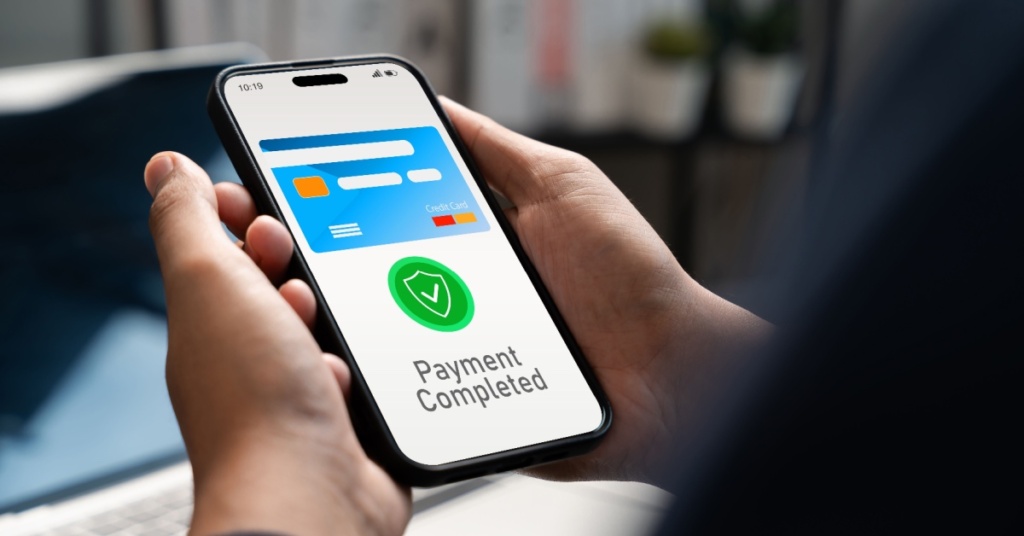
A virtual card for secure payments can provide an extra layer of convenience when shopping online. Since a virtual card is not a physical payment card, your card details can be managed digitally through your provider's website or mobile app.
Using a virtual debit card for online transactions can help you keep your primary physical card details separate from websites and services where you make purchases. It can also be useful for recurring payments, subscriptions, and other online payments.
With a secure virtual card, you can typically:
- Make online payments without using your physical card.
- Manage your card details digitally through an app.
- Use a dedicated card for online shopping and subscriptions.
- Access your virtual debit card without waiting for physical delivery.
For users who regularly shop online, a virtual card offers a practical way to manage digital spending while keeping everyday payments convenient.
Setting Up Your Online Payment Account for Global Stores
Setting up an online payment account makes it easier to pay for products and services from global stores and international websites. With a digital payment account, you can manage your funds online and access payment methods designed for cross-border transactions.
To get started, you typically need to:
- Create an online payment account: Sign up with a trusted digital payment provider and enter the required information.
- Complete account verification: Follow the provider's verification process to activate your account and access its payment features.
- Add funds: Fund your account using one of the available online payment methods.
- Choose a payment method: Depending on the provider, you may be able to use a virtual card, physical card, or account balance for online purchases.
- Shop at global stores: Use your available payment method to complete purchases on supported international websites.
An online payment account can be useful for managing purchases across different countries without having to rely solely on local payment options. If you frequently shop from global stores, having a flexible digital payment method can make international transactions more convenient.
Here are more details about how to stay safe while online shopping:
-
How To Protect Your Payment Information When Online Shopping
-
Safest Payment Methods For Online Shopping

Managing Subscriptions with a Temporary Credit Card
Recurrent payments like these can be a pain, particularly when you want to stop paying for services. A temporary credit card resolves this issue by allowing you to give each merchant a unique card number.
If a subscription suddenly auto renews, you can also just shut off that virtual card (without impacting your other payments).
Here’s how to generate debit card details for subscriptions:
- Create a different card number for each subscription service.
- Control how much you spend to protect yourself from overspending.
- Invalidate the card after the trial period if you don’t want to continue.
This is a lot safer than typing in your main debit or credit card. When a breach happens at a subscription service, it impacts the temporary card, not your main account.
Some digital wallets even do this automatically by generating single-use virtual cards for each purchase. For instance, gamers and streamers frequently use virtual cards to pay for in-app purchases or platform subscriptions. Since these purchases can add up, a dedicated prepaid virtual card lets you keep track of your spending without having to link it to a bank account.
Is a Prepaid Virtual Card Safer than a Traditional Bank Card?
The advantage that stands out the most is security and that’s the most important feature of virtual cards vs physical cards. Skimming, phishing, and data leaks are also risks traditional bank cards hold.
Virtual cards protect against these risks however by:
- Hiding your actual card number: Merchants get a temporary 16-digit number.
- Minimize your risk exposure: If you lose a virtual card, you can immediately freeze or delete it.
- Reducing fraud: Use-once cards protect customers from recurring unauthorized payments.
A prepaid virtual card provides even more control. Since they are not bank linked, their losses are capped to the amount of money they had loaded.
Hence, they are good for online orders from unfamiliar sites, travel reservations where card data might be less securely stored, and payments for freelancers, where you have to give out your card details to clients.
Unlike physical cards, virtual cards can be generated, used and deleted immediately. Some services even let you generate one for a specific merchant, so a hack at one retailer doesn’t impact your other cards.
The Evolution of Virtual Cards in Digital Banking
Virtual cards have been around for a while, but their adoption is exploding with the emergence of digital wallets and open banking. Original models were largely for corporate expense management. Now virtual cards are considered a mainstream tool for everyday consumers.
Major milestones in their journey:
- 2010s: Businesses began using virtual card products to pay vendors and when they did so they reduced fraud.
- 2015-2020: Digital wallets began offering a virtual debit card for personal use.
- 2021-present: Single-use cards, instant issuance, and crypto-linked virtual cards.
Integrations with modern virtual cards now include mobile apps you can pay with GPS services, loyalty programs that reward you for your purchase, and FX services to receive better conversion rates.
Tech-savvy users also prefer and recommend them. From Netflix subscriptions to online gaming account funds, virtual cards easily adapt to your needs while helping keep your money safe.
Ready to simplify the way you pay online? With Jeton, you can manage your money digitally and access convenient payment options for online purchases, subscriptions, and international transactions. Create your Jeton account today and explore a smarter way to pay online.
Stop taking chances with your financial security on the web. Experience how easy it is to issue and control your own virtual cards today. Download the Jeton app via the App Store or Google Play Store, sign up in minutes, and shop globally with maximum peace of mind!