Use of contactless mobile payment solution options is surging as people come to see their phones as the safer way to pay in daily life. Many people use mobile apps tied to payments to place delivery or pickup orders for groceries.
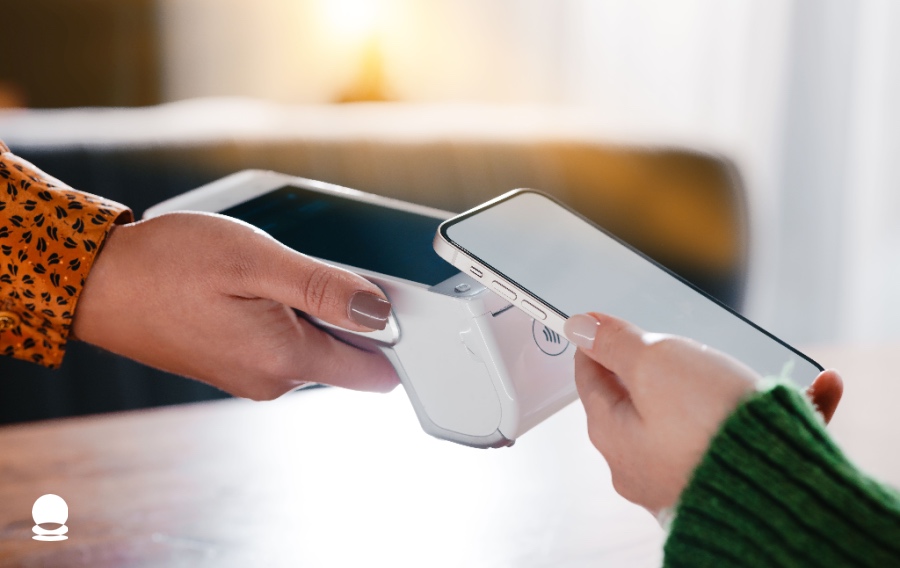
With contactless payment, you link a bank account or credit card to your phone and then tap the device on a contactless reader or hover over it to trigger payment. As more people embrace contactless payment technology and get used to paying that way, consumer behaviour is likely changing for good.
Thanks to the digitisation of payment methods around the world, the way we make payments has moved from physical to contactless. With the rise of modern contactless payment methods, we have transformed the way we interact with our finances, making transactions faster, easier, and safer.
Join us in this blog as we explore what is contactless payment, how it works, the distinct benefits it offers across different countries like the Netherlands and Germany, and how global financial habits are shifting toward a cashless future!
What Is Contactless Payment and How Does It Work?
To understand the core of modern transaction trends, we must first look at the contactless payment meaning. In its simplest form, it refers to a method of payment that does not require physical contact with payment machines.
This can be achieved through contactless cards – which are usually a contactless debit card, a contactless Visa or a MasterCard if not a digital payment card – or through mobile apps and digital wallets.
The technology uses RFID (radio-frequency identification) or NFC contactless payment (near-field communication) to communicate with payment readers, typically at a distance of five to ten centimetres.
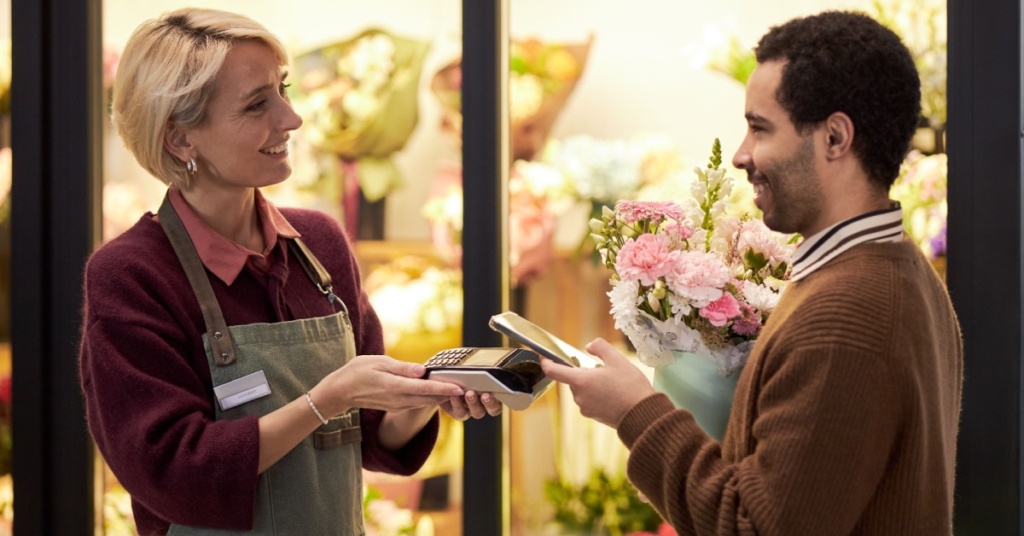
One of the most important advantages of these systems is the ease of use they offer to consumers. With a contactless card reader, a quick tap or wave of your mobile phone or what is a contactless payment card is all you need to complete a transaction. No more fumbling for cash, counting change, or inserting cards in terminals.
The physical process itself is incredibly straightforward. With credit cards and POS devices equipped with this feature, the transaction is done by bringing the card closer to the device.
In this way, the payment process is carried out in the fastest way without the need to enter a card password, allowing you to regain the minutes you lost in your daily shopping. In low amount transactions, you can stop worrying about coins, and enjoy the pleasure of paying easily in 1 second.
Related Content: The Essential Guide to Contactless Cards
The Benefits of Choosing Contactless Payments over Traditional Methods
When evaluating how we interact with global financial structures, the benefits of contactless payment options become undeniable compared to old-school cash habits.
Convenience
Contactless payments offer unparalleled convenience, allowing users to complete transactions with a simple swipe or wave of their card or smartphone. Gone are the days of carrying cash, inserting cards into terminals or entering long PINs. Whether you’re in a store, a restaurant, or even using public transportation, it simplifies payments, saves valuable time and makes daily tasks hassle-free.
Security
These systems prioritise security through encrypted data transmission. This means that sensitive information exchanged in transactions is encoded, making it difficult for unauthorised parties to retrieve or access said data.
Also, most payment providers set transaction limits, ensuring that the chances of unauthorised spending are reduced. With such measures in place, users can have peace of mind when making payments.
Hygiene
In an era of heightened health and hygiene awareness, they offer a NFC contactless payment alternative to traditional payment methods. By eliminating the need to physically interact with payment machines, users reduce the risk of germs and bacteria transmissions.
This added sanitation benefit has become especially important in times of public health concern, making this the preferred option for many individuals.
Speed
They allow for faster checkout, benefiting both consumers and businesses. Transactions are completed in seconds, reducing waiting times in stores and other establishments.
For businesses, this means improved customer service, shorter lines, and higher customer satisfaction. The speed of contactless checkout enhances the overall shopping experience, encouraging returning customers.
Global Acceptance
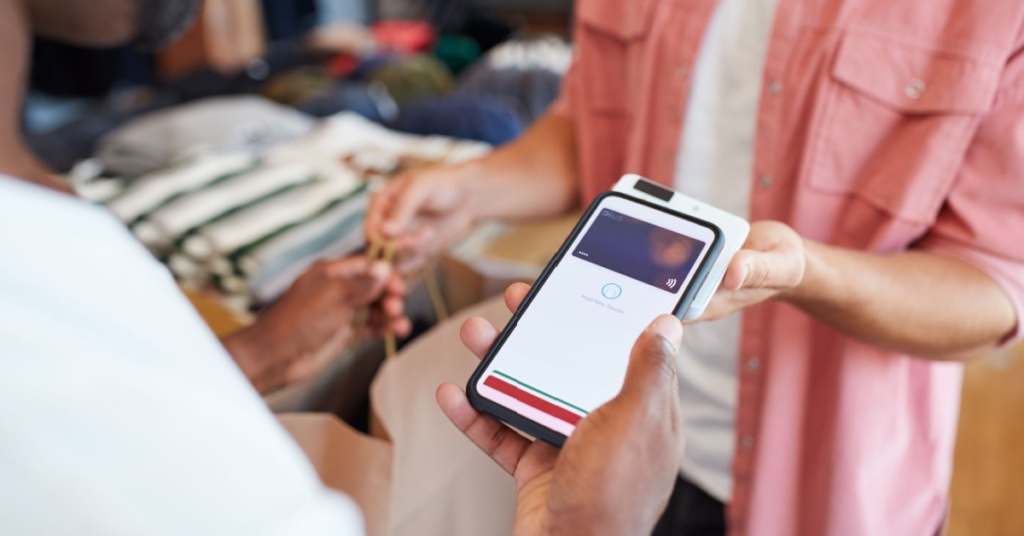
Contactless payment cards have gained global acceptance, making them more convenient for travellers. Whether you are at home or abroad, chances are you’ll find contactless options available in various venues. This global recognition makes them a reliable and accessible option for users, no matter where they might be.
Versatility
They can be used for a variety of tasks and services. Beyond retail purchases, application uses have expanded to cover public services such as transportation fees, parking fees, and even donations during events and fundraisers. The versatility of these networks allows users to enjoy a seamless experience in different scenarios.
Also Explore: Why Millennials Are Going Cashless
Is Contactless Payment Safe?
Security and peace of mind are top priorities in the financial world, and modern networks take these concerns seriously. One of the questions asked about this increasingly popular technology is, is contactless payment safe?
Thanks to multiple security levels, transactions are carried out in the most secure way. Whilst cash may offer you complete anonymity from data thieves, EMV chip enabled cards offer a more thorough form of payment authentication, providing an extra layer of contactless payment card security.
How so? Dynamic data is created, making each chip transaction unique and virtually impossible to replicate. This unique transaction code is also usable only during that particular purchase transaction, preventing thieves from re-using it for other transactions.
Furthermore, the data transmitted during a transaction is encrypted, providing additional protection against potential data breaches. Most banks and payment providers often impose restrictions, ensuring unauthorised spending is mitigated even if the physical card is lost or stolen.
Due to its anonymous nature, if you lose your cash, it’s gone. Payment cards and apps can be cancelled and replaced swiftly and remotely. While there is a possibility for a card to be copied or information to be captured in traditional swipe transactions, you do not give your card to anyone when using contactless options, making it impossible to copy the card.
To prevent substantial losses from theft, financial institutions establish a specific contactless payment limit or a maximum amount for contactless payment per transaction. Additionally, a contactless payment daily limit is usually enforced, requiring a PIN code once the threshold is crossed to verify the user's identity.
For those concerned about losing control over their cards, users often ask can you disable contactless payment through their banking portal; most modern applications do allow you to toggle this feature on and off instantly for custom safety.
How to Use Contactless Payment in Daily Life
If you want to transition away from cash, learning how to use contactless payment systems is incredibly easy. For physical cards, the process requires nothing more than hovering your card over the terminal.
However, the modern financial landscape has shifted rapidly toward mobile devices, prompting many to learn how to make contactless payments with phone hardware using internal antennas.
By setting up a dedicated contactless payment app, you can store digital versions of your cards securely. Beyond smartphones, tech-savvy users are increasingly adopting wearable contactless payment options, such as smartwatches and fitness bands, which allow you to complete checkout with a flick of your wrist—perfect for when your hands are full of groceries.
Even when network connectivity drops, advanced financial networks can process offline contactless payments, queuing the transaction securely until the point-of-sale terminal reconnects to the grid, ensuring business continuity without delays.
Explore More: Psychology of Spending in Cashless World
Contactless Payment in the Netherlands
The Netherlands has always been at the cutting edge of technological advancement when it comes to your personal finances. Contactless payment in the Netherlands is a method widely adopted by Dutch citizens who value efficiency and speed in their hectic daily routines.
In the Netherlands, you can do all your shopping with your contactless credit card using your password for larger amounts, or enjoy password-free transactions for quick daily stops.
The country's infrastructure is heavily optimized for a cashless lifestyle, where even small local markets and independent boutiques prefer digital alternatives over physical coins. This rapid adaptation reflects a society that embraces digital financial management to make everyday life seamless and hassle-free.
Contactless Payments in Germany
Life is hectic, and the mental load of managing physical keys, wallets, and cash can be exhausting. In Germany, the payment landscape has experienced a significant transformation.
A recent survey showed that people in Germany used credit cards or debit cards more than cash during recent global health crises, causing contactless payments in Germany to rise rapidly to protect cardholders.
Even the smaller shops that historically preferred the old-school cash system started to accept cards, and some have shifted to card-only systems entirely. Since Germany is the economic giant of Europe, German payment methods add an extra layer of security to transactions.
Digital wallets allow users to link their bank accounts to online capital directly, while prepaid cards let users enjoy their online shopping without leaving a trace behind.
Contactless Payments in Peru
Peru is often considered the pearl of the Pacific Coast, boasting a unique geopolitical location that puts it under the limelight for investors and business owners wanting to expand in the South American market. Banking services here are reaching the same level as in Western countries, and contactless payments in Peru have risen rapidly.
Before recent global shifts, statistics by domestic survey agencies showed cash transactions were overwhelmingly dominant. However, nobody wants to risk their health handling physical currency, and Peru has embraced cashless systems through diverse methods such as debit/credit cards, digital wallets, and prepaid cards.
The concept of contactless transactions is gaining massive popularity, particularly among the tech-savvy new generations aged 18-45, who effortlessly adapt to global digital standards.
The Future of Contactless Payments Is Here
As technology continues to evolve, the potential applications for digital financial transactions are limitless. Innovations such as biometric payment cards and advancements in digital financial management platforms show that the industry is committed to improving user experience while bolstering security improvements.
The rise of digital payment methods has permanently changed the way we manage our finances. With rapid global implementation and a focus on user convenience and security, these systems are definitely here to stay.
As the digital space expands, this technology will only increase in popularity and availability, promising a future of enhanced efficiency and peace of mind for customers worldwide.
Discover More: A Cashless World: A Brief Story of Going Light
Wrapping Up
The future of spending is completely wireless, and the Jeton Card takes your financial flexibility to the absolute next level. Jeton Card is a payment method that combines the convenience of debit cards with the security and contactless technology it offers.
The Jeton Card is an all-digital contactless payment card, and each card is identified by a 19-digit number, a CVV security code, and an expiration date. Users can manage their card activities, their spending, and financial transactions with ease through the Jeton app and the Jeton website.
Jeton Card can be used to make online purchases and transfer funds for shopping and spending money on various websites. One of the main advantages of the Jeton card is its widespread acceptance and availability. The user-friendly interface and enhanced security features make the Jeton Card popular with customers looking to adopt contactless payments around the world.
Thanks to its integration with Apple Pay and Google Pay, Jeton also offers unique benefits to its users. With Apple Pay and Google Pay, users can enjoy excellent convenience, security and privacy when making payments. Connecting your Jeton Card to Apple and Android devices is an easy process. With a few taps you can start using Apple Pay and/or Google Pay with your Jeton Card with ease.
The rise of digital transactions, including premium options like our credit card contactless payment ecosystem, has changed the way we manage our wealth. As the digital space for financial transactions expands, this technology will only increase in popularity, promising a future of enhanced efficiency and peace of mind for customers worldwide.
Why wait to modernize your financial toolset? Join +1 million happy users. Download the Jeton app via the App Store or Google Play today and reap the absolute best benefits of digital banking after easily signing up!