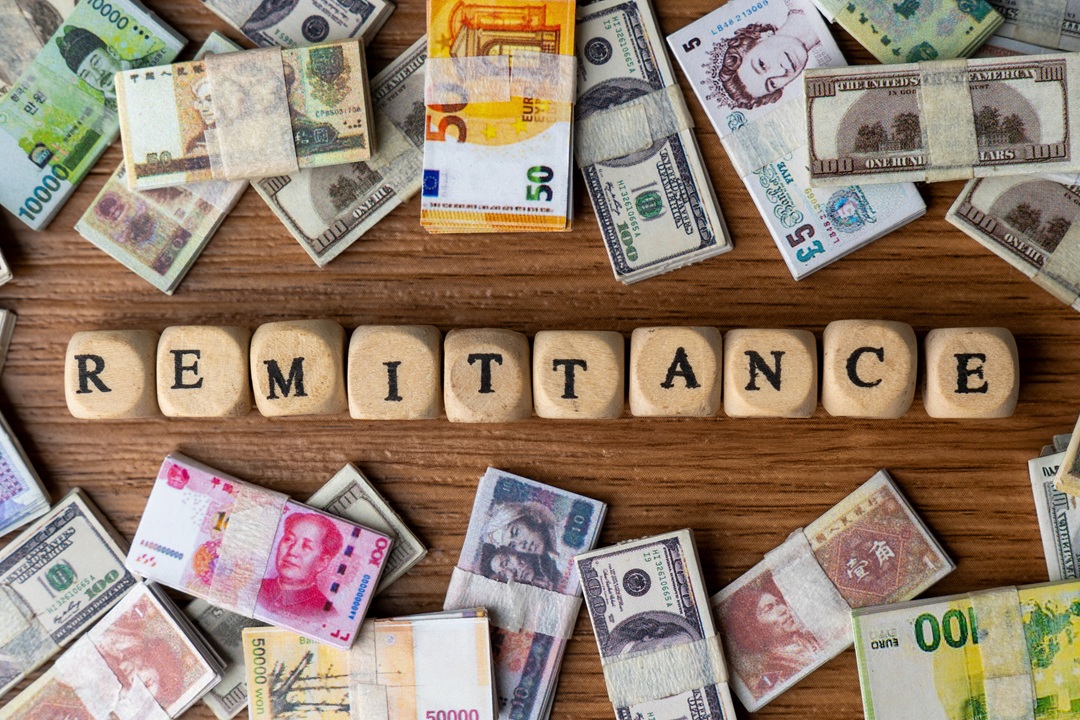
Global remittances are financial transfers sent from one country to another, often by migrants supporting family members abroad, individuals managing international expenses, or businesses making cross-border payments. As international mobility and digital finance continue to grow, the demand for fast, secure, and convenient international money transfers is increasing.
Today, people can send money abroad through traditional banks, money transfer services, and digital wallets. Each option can differ in terms of transfer speed, fees, exchange rates, supported currencies, and availability by country. Understanding these differences can help you choose a suitable way to manage cross-border money transfers based on your needs.
In this guide, we’ll explain how global remittances work, explore the advantages and disadvantages of different international money transfer methods, and compare traditional banking with modern digital payment solutions. We’ll also look at how multi-currency wallets, instant cross-border payments, and mobile apps are changing the way people send and receive money internationally.
What Are Global Remittances?
Global remittances are international money transfers sent by individuals from one country to another, most commonly to support family members, cover living expenses, pay for education or healthcare, or manage financial obligations abroad. Remittances can be sent through banks, money transfer providers, digital wallets, and other cross-border payment services.
A remittance payment typically involves a sender in one country transferring money to a recipient in another country. Depending on the service and destination, the recipient may receive the funds directly into a bank account, digital wallet, or through a cash pickup service.
The global remittance process generally involves three parties:
-
Sender: The person initiating the international money transfer.
-
Remittance provider: The bank, money transfer service, or digital wallet that processes the payment.
-
Recipient: The individual or business receiving the funds in another country.
The total cost and delivery time of a global remittance can vary depending on the sending and receiving countries, transfer method, currency, exchange rate, transaction amount, and provider. Some international money transfers may arrive within minutes, while bank-to-bank transfers can take longer.
As digital financial services have developed, digital remittances have become increasingly accessible. Mobile apps and digital wallets allow users to initiate cross-border money transfers, check exchange rates, track transactions, and manage multiple currencies without relying entirely on traditional banking channels.
Understanding how global remittances work is important when comparing different ways to send money internationally, particularly when factors such as transfer fees, exchange rates, processing times, supported currencies, and recipient availability can affect the overall cost and experience.
How Do Global Remittances Work?
A global remittance works by transferring money from a sender in one country to a recipient in another country through a bank, money transfer provider, or digital payment service. The sender provides the recipient's details, selects the amount and currency, and completes the payment. The provider then processes the transaction and delivers the funds through the selected international money transfer method.
A typical cross-border money transfer follows these steps:
-
Choose a remittance provider
The sender selects a bank, money transfer service, or digital wallet that supports transfers to the recipient's country. -
Enter the recipient's details
Depending on the payment method, the sender may need the recipient's name, bank account details, IBAN, or other required payment information. -
Select the transfer currency and amount
The sender chooses how much money to send and, where applicable, selects the currency the recipient will receive. -
Review fees and exchange rates
Before confirming the transaction, the sender should check the remittance fees, exchange rate, and total amount the recipient is expected to receive. -
Complete the payment
Once the sender confirms the transaction, the remittance provider processes the payment and transfers the funds through its international payment network. -
Recipient receives the money
Depending on the selected method and destination country, the recipient may receive the funds in a bank account, digital wallet, or through another supported delivery method.
The time required for an international money transfer can range from a few se
What Are the Different Ways to Send Global Remittances?
People can send global remittances through several channels, including traditional banks, money transfer companies, cash-based services, and digital wallets. The right option depends on factors such as the destination country, transfer amount, delivery speed, available currencies, fees, and how the recipient wants to receive the money.
Traditional Bank Transfers
International bank transfers allow users to send money directly from one bank account to another. They are widely available and can be suitable for larger transactions, but processing times and fees can vary between banks and countries. The sender may also need information such as the recipient's IBAN, SWIFT/BIC code, or other bank details.
Money Transfer Services
Dedicated money transfer services are designed specifically for sending money internationally. Depending on the provider and destination, they may offer faster delivery and different receiving options, including bank deposits, cash pickup, or digital transfers.
Digital Wallets
Digital wallets provide another way to send and receive international money transfers through online platforms and mobile apps. Users can often manage multiple currencies, initiate transfers, track transactions, and access their funds without visiting a physical branch.
For people who regularly send money abroad, a digital wallet can simplify the process by bringing payments, currency management, and transaction tracking together in one platform.
How Jeton Can Help With International Money Transfers
With Jeton, users can manage international payments through a digital wallet and access supported payment and transfer options from their account. The available services, currencies, fees, and limits can vary by country and payment method.
If you're looking for a convenient way to manage cross-border payments and send money internationally, explore the available options with Jeton and choose the transfer method that fits your needs.
Ready to manage your international payments? Explore Jeton and create your account to get started.
How Much Does It Cost to Send a Global Remittance?
The cost of a global remittance depends on several factors, including the transfer provider, sending and receiving countries, payment method, transfer amount, currency, and exchange rate. Some providers charge a fixed transfer fee, while others may include a margin in the exchange rate.
When comparing international money transfer fees, look beyond the upfront transaction charge. The total cost of sending money abroad can include:
-
Transfer fees: A fixed or variable fee charged for processing the transaction.
-
Exchange rate markup: The difference between the provider's exchange rate and the underlying market rate.
-
Payment fees: Additional charges may apply depending on how you fund the transfer.
-
Receiving fees: In some cases, the recipient's bank or payment provider may charge a fee.
-
Currency conversion costs: Sending money in a different currency can affect the total amount received.
For example, a transfer advertised with a low or zero upfront fee may still cost more if the exchange rate includes a significant markup. This is why comparing the total amount the recipient will receive is often more useful than comparing the transfer fee alone.
How to Reduce International Money Transfer Costs
When sending money internationally, consider the following before confirming a transaction:
-
Compare the total fees and exchange rate.
-
Check how much the recipient will actually receive.
-
Review the supported currencies and payment methods.
-
Check whether transfer limits apply.
-
Consider the estimated delivery time alongside
How Is Technology Changing Global Remittances?
Technology has made global remittances faster, more accessible, and easier to manage. Instead of relying only on physical branches or traditional international bank transfers, users can now send money abroad through mobile apps, digital wallets, and online money transfer services.
The growth of digital remittances has changed how individuals manage cross-border payments. Depending on the provider and destination country, users may be able to:
-
Send money internationally from a smartphone or computer
-
Manage multiple currencies through a digital wallet
-
Check exchange rates before completing a transfer
-
Track the status of an international money transfer
-
Send funds directly to a bank account or another supported payment method
-
Access payment services without visiting a physical bank branch
Digital Wallets and Cross-Border Money Transfers
A digital wallet can bring several financial activities together in one online platform. Instead of using separate services for holding funds, exchanging currencies, and sending payments, users can manage supported transactions from a single account.
For people who regularly send money abroad, this can make international payments easier to organize. However, available currencies, transfer methods, transaction limits, fees, and processing times can vary by provider and country.
The Role of Mobile Money Transfers
Mobile technology has also expanded access to international money transfers. With a smartphone and an internet connection, users can initiate payments, review transaction details, and monitor transfers while travelling or living abroad.
This shift toward online money transfers is particularly relevant for people who regularly support family members overseas, work internationally, study abroad, or manage financial commitments across different countries.
Send and Manage International Transfers with Jeton
Jeton provides a digital platform for managing supported international payments and money transfers. Through the Jeton Wallet, users can access available services, manage their funds, and track transactions from their account.
If you want to simplify the way you send money internationally, check the payment methods, currencies, fees, and limits available in your country and explore what Jeton can offer.
Ready to manage your international payments online? Explore Jeton and get started with a digital wallet designed for convenient money management.
What Is the Difference Between Global Remittances and International Money Transfers?
Although the terms global remittances and international money transfers are often used interchangeably, they describe slightly different concepts. An international money transfer refers broadly to sending money from one country to another, while a remittance generally describes money sent by an individual to support someone in another country or to cover personal financial needs abroad.
For example, a person working overseas who sends money to their family in their home country is making a remittance payment. A company paying an international supplier, on the other hand, is making a cross-border business payment, which is an international money transfer but is not typically described as a personal remittance.
The key differences can be summarized as follows:
| Global Remittances | International Money Transfers |
|---|---|
| Often involve individuals sending money to family or themselves | Can involve individuals or businesses |
| Commonly support living expenses, education, or healthcare | Can be used for personal, commercial, or other payments |
| Frequently associated with migrant workers and expatriates | Covers a broader range of cross-border transactions |
| Can be sent through banks, money transfer services, and digital wallets | Can use banks, payment providers, digital wallets, and other financial networks |
Both types of transactions can involve transfer fees, currency conversion, exchange rates, transaction limits, and processing times. The exact cost and delivery time depend on the countries involved, the payment method, the currencies used, and the provider.
For individuals who regularly send money abroad, digital wallets can provide a convenient way to manage supported currencies and international payments from one platform. With Jeton, users can explore available international money transfer options based on their country and payment needs.
Send Money Internationally with Jeton
Ready to make international money transfers easier? Download the Jeton app to manage your money and supported cross-border payments wherever you are.
Download on the App Store · Get it on Google Play