The mid market exchange rate is the average value between the buying and selling prices of a currency in the foreign exchange market. Banks consider this value in their foreign exchange transactions.
Financial institutions that use this value can transparently monitor foreign exchange prices. The mid-market exchange rate is not used in direct buying and selling transactions. It can be used as a benchmark in commercial agreements and international payments.
The mid market exchange rate meaning can be understood as reflecting the fair price balance in the market. It is a value that lies exactly in the middle of the difference between the buying and selling prices. Investors and institutions can understand real market conditions from this value.
If you are conducting import and export transactions, you can use it as a reference for cost calculations. Central banks also announce their official exchange rates based on the mid-market value. This is how the foreign exchange market operates within a financial environment. By opening an account with Jeton, you can manage your foreign exchange investments.
Join us in this blog as we explore what the mid-market exchange rate really means, why it matters, and how you can make smarter financial decisions when moving money worldwide!
What Is the Mid-Market Rate?
The mid-market rate is the difference between the buying and selling rates for a specific currency. This exchange rate is not directly used in foreign exchange transactions. It is important in determining the overall balance and fair value of the market.
Banks, exchange bureaus, and financial institutions set prices using the average value as a reference. The most important feature of the mid-market rate is that it increases market transparency. It allows investors to compare foreign exchange prices more accurately.
The mid-market rate and the interbank rate are two values that move together. The interbank rate is one of the values that reflect the actual market rate in foreign exchange transactions between financial institutions. The mid-market rate can be considered the midpoint between buying and selling at the interbank rate.
You may not notice the difference between the two rates. The mid-market rate will be more pronounced if you are conducting a large-volume transaction. Interbank market prices also determine the volatility of the official exchange rate held by central banks. The mid-market rate is used to hedge the financial market. You can also use it when analyzing currency fluctuations.
How Do You Calculate the Mid-Market Rate?
If you want to calculate the mid-market exchange rate, you should consider the average of currencies in the foreign exchange market. When calculating, you need to add the buy and sell values. Then, divide this amount by 2 to calculate the mid-market exchange rate.
When you calculate the exchange rate, you can determine the currency's true value in the foreign exchange market. Financial institutions determine the mid-market exchange rate by considering the supply-demand balance in the international market. They also consider economic indicators and central bank policies.
You can use the mid-market exchange rate as an objective reference for market price movements. This rate can be used to conduct financial analyses. It also helps you in making export and import agreements. You can also create currency-based reporting.
Every central bank closely monitors the exchange rate to ensure stability in the foreign exchange market. They can intervene in the exchange rate if deemed necessary. This helps investors avoid potential problems in the foreign exchange market.
Who Uses the Mid-Market Rate?
You can use the mid-market rate for a fair and balanced valuation of currencies in the foreign exchange market. It is a good indicator for a fair and balanced valuation of currencies. If you trade foreign exchange, it's a reference value. You can use it to compare prices in your financial transactions. You can also calculate costs and consider it when conducting risk analysis.
The mid-market rate can be used by the following:
- Banks and financial institutions may choose to conduct foreign exchange transactions and pricing transactions.
- Central banks that monitor the foreign exchange market use the mid-market rate when determining monetary policy.
- Import and export businesses also use the mid-market rate when calculating costs and preparing contracts.
- Investors and portfolio managers who want to determine the performance of their foreign exchange-based investments can also use this value.
- Foreign exchange offices also use this value to determine buying and selling prices.
- Economists and consultants who conduct market analysis and reporting can also use this value. You can seamlessly complete your foreign exchange investments with Jeton whenever you want.

Is the Mid-Market Rate Important?
The real-time medium-term exchange rate is the average of the instantaneous buy-sell price difference in your foreign exchange transactions. Prices in the foreign exchange market are constantly changing. Therefore, you need to manage your investments well. Investors and financial institutions can access the most up-to-date information by taking this into account.
Banks, exchange offices, and investors utilize real-time data in foreign exchange transactions. Therefore, you can use this data to make fast and accurate decisions. Businesses engaged in international trade can calculate costs and perform pricing.
The real-time mid-market rate is critical for transparency and accuracy in the financial market. You can monitor these rates in real-time through digital financial platforms and online currency tracking systems. This makes your transactions faster and more secure.
With real-time data flow, you can react quickly to currency fluctuations and also mitigate potential risks. By monitoring the real time mid market rate, you can make accurate pricing decisions. You can also effectively manage risks and make strategic investment decisions.
What Is the Difference Between Mid-Market Rate and Interbank Rate?
The mid market rate vs interbank rate are similar concepts in the foreign exchange market. However, the purpose and determination of these two rates differ. The mid-market rate is the average of the buying and selling prices of foreign currency. This exchange rate represents fair pricing in the foreign exchange market.
The interbank rate is also used in direct foreign exchange transactions between large financial institutions and banks. This exchange rate is considered the true transaction rate. It is known for its lower margins.
Large volumes are traded at the interbank rate. The mid-market rate is calculated based on the average of the interbank rate. The bid-ask spread is added to the foreign exchange prices reaching the end user. The interbank rate is the real price at which professional financial actors trade. The mid-market rate is a reference value that represents the average value of transactions.
How to Get a Mid-Market Rate?
The real-time mid-market exchange rate is determined based on the average of the buying and selling prices of a currency. The mid-market exchange rate is influenced by factors such as the supply-demand balance in foreign exchange markets, international economic data, and central bank policies.
Banks, exchange bureaus, and financial institutions analyze real-time data from global markets. They calculate the mid-market rate based on this data. As a result, changes in foreign exchange prices are updated within seconds, resulting in a real-time mid-market rate that reflects the overall market balance.
Calculating the mid-market rate ensures transparency and accuracy in the financial market. Digital platforms and financial data providers, in particular, publish these real time mid market rates allowing investors to access accurate information.
Real-time data allows for faster and more secure foreign exchange transactions. Companies engaged in international trade can use these rates to keep their cost calculations up-to-date. Risks arising from exchange rate fluctuations are also eliminated. You can make your investments by taking the mid-market rate into account with Jeton.
How Do You Use This Rate to Convert Money?
The mid-market rate is a reference value when converting one currency into another. During currency conversion, there is a certain difference between the buying and selling rates. The mid-market rate represents the average ratio between these two values.
Banks and exchange offices determine their buying and selling rates based on this rate. This ensures fair currency conversions. All conversions are conducted in accordance with market conditions.
The mid-market rate is used to display the "true market value" in online currency conversion tools and financial applications. It provides transparency to customers during currency exchange, but it is not used directly as a transaction rate.
A currency exchange office or bank buys slightly below the mid-market rate and sells slightly above it. However, the mid-market rate is the most accurate comparison tool for assessing the advantageous or costly nature of currency exchange. Businesses and individual investors can make informed decisions about currency conversions using the mid-market rate.
How Do You Display Exchange Rates?
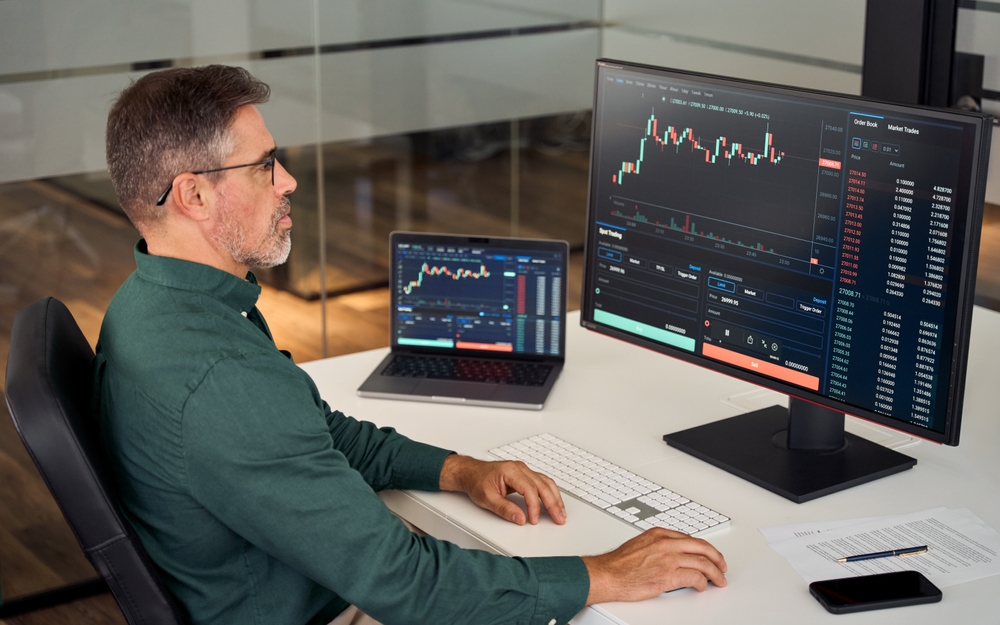
The mid market rate vs interbank rate allow you to monitor the value of currencies in the foreign exchange market. They also serve as indicators for comparison. You can use up-to-date tables provided by banks, central banks, exchange offices, or financial data platforms to view exchange rates.
Relevant institutions share the buying, selling, and mid-market values between currency pairs in real time. You can track real-time exchange rate movements, especially through digital banking applications and financial websites, using graphical analysis and comparison tools.
The mid-market rate and interbank rate are also taken into account to ensure transparency in foreign exchange transactions. The interbank rate is the real exchange rate at which major financial institutions trade among themselves.
The mid-market rate is a reference value reflecting the average of these rates. If you want to explore calculations for the exchange rates, make sure to check out “A Simple Guide on How to Calculate an Exchange Rate”.
Investors, importing and exporting companies, or individuals can make currency exchanges at the most convenient time by monitoring these rates. By doing so, you won't be affected by market fluctuations. You can start trading with Jeton immediately.
Is the Mid-Market Rate Always the Best One?
The mid-market rate is one of the most objective indicators of a currency's fair value in the foreign exchange market. However, this rate is not always considered the best rate. It is determined by the average of the buying and selling prices. For these reasons, it is not applied in real transactions.
Banks and exchange offices buy below the exchange rate and sell above it to cover their operational costs and make money. Individuals and companies use a rate different from the mid-market rate in foreign exchange transactions.
The mid-market rate is a reliable reference point for transparency and comparison in foreign exchange transactions. Using this rate, you can easily assess the fairness of a foreign exchange transaction.
If a bank or platform offers rates very close to the mid-market rate, you may consider the transaction advantageous. In real market conditions, the mid-market rate may not always be the most suitable transaction rate due to commissions, transaction fees, and liquidity differences.
Therefore, investors and businesses do not rely solely on the mid-market rate in foreign exchange transactions. You should also consider the total cost and transaction conditions.
Can I Track the Rate?
You have the opportunity to monitor exchange rates in real time. Banks, financial institutions, and digital platforms provide real-time exchange rate information to their users. This allows you to monitor changes between different currencies second by second.
You can quickly react to fluctuations in the foreign exchange market based on the data you track. Mobile banking apps, financial news websites, and investment platforms allow you to track detailed foreign exchange rates, supported by graphical analysis and historical data.
Foreign exchange rate tracking is important for those who regularly monitor indicators such as the mid-market rate and the interbank rate. This data allows you to understand the direction of currency fluctuations. This allows you to make more informed investment decisions.
You can be instantly notified of price changes by setting automatic notifications or alerts for specific exchange rates. This reduces currency risk and facilitates financial planning. You can use Jeton for foreign exchange investments. It reduces currency risk and simplifies financial planning for both individual investors and businesses working with foreign exchange.
Wrapping Up
Understanding the mid-market exchange rate is essential for anyone sending, spending, or converting money globally — and having the right tools helps you get more value out of every transaction. With Jeton Wallet, you can manage all your currencies in one app, track real-time rates, and move your money across Europe with fast, secure, and transparent transfers.
Need a card that’s built for global spending? Jeton Card is your go-to companion for everyday purchases — enjoy contactless payments, flexible spending limits, card freezing, and seamless currency conversion.
Whether you're exchanging, sending, or storing money, Jeton keeps everything simple: single account for all your payments, 50+ payment methods across more than 25 European countries, and smooth transactions wherever you go.
Join 1M+ happy users today — download the Jeton App via the App Store or Google Play, get your Jeton Wallet and Jeton Card, and experience the freedom of “one app for all needs.” Sign up now to unify your finances!