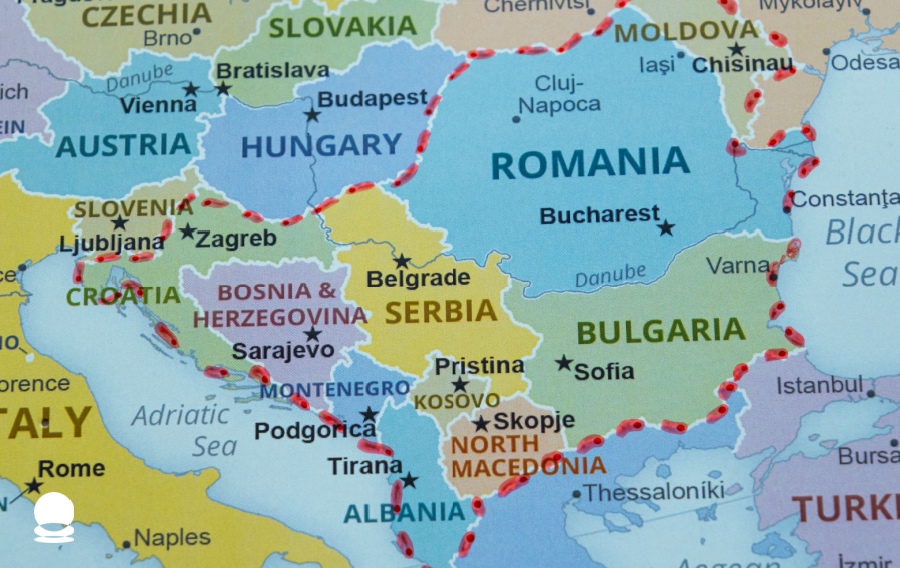
A trip through the Balkan peninsula is unlike any other because of the different landscapes and financial systems that need careful planning. If you plan a Romania and Macedonia trip but don’t know how to use money in the Balkans, we got you covered.
The first step to a successful Balkan trip, whether you're going on vacation or moving for work, is to manage your money well. A lot of people think that modern tools are the best way to keep money flowing across borders without the high fees that come with traditional banking methods.
People going to Bucharest should learn about the Romania currency so they can shop and eat without any problems with their credit cards. Knowing how much money you need for everyday costs will make your trip a lot more fun and less stressful.
To get around the financial systems of Eastern Europe, you need to know about the local Romania currency, Macedonia currency, and how they work with global digital systems.
Join us in this blog as we explore the unique financial landscapes of Romania and North Macedonia, including how to handle currency conversions, optimize international money transfers, and manage your travel funds efficiently!
Romania Currency and the Leu
Romania's official currency is the Leu, which is broken down into smaller units called bani to make it easier for stores to set prices. Because the country is a member of the European Union but hasn't yet adopted the Euro, visitors need to bring the local currency. You will see that most shops in big cities prefer the Leu for small purchases like coffee or souvenirs.
When you get to your destination, local banks and exchange offices offer different ways to get the physical Leu you need right away. Instead of using the ones at international airports, it's usually better to use official exchange houses in the city center. Keeping an eye on the daily changes in the exchange rate can help you save a lot of money on a long trip.
Most businesses in Romania now accept digital payments, which means you don't have to carry around a lot of heavy cash all the time. But if you want to go to remote villages or traditional outdoor markets in the countryside, you still need to have some cash.
If you have a variety of payment methods, you'll always be able to pay for a tasty local meal or a bus ticket. When you travel to the Balkans, using digital platforms to handle different currency conversions and digital payments makes it much easier to keep track of your money around the world.
Converting American Dollar to Macedonian Denar
You will need to start thinking about the American Dollar to Macedonian Denar conversion process as soon as you cross the border into North Macedonia.
The Denar is the money that people use for everything, from paying for a hotel in Skopje to buying fresh food at a local market. If you know what the current market rates are, you won't pay too much when you change your money at local kiosks.
Travelers should be careful about where they exchange their money because rates can be very different between different service providers in the city. Usually, it's best to use well-known banks or established exchange offices that clearly show their rates on electronic boards for everyone to see.
When you're traveling and using more than one currency in a short amount of time, it's important to keep a clear record of your spending. If you need to pay off a debt or go on a trip, you can easily send money to family and friends or local service providers.
The Best Way to Transfer Money Internationally to the Balkans
Finding the best way to transfer money internationally is very important for expats and long-term travelers who need to send money to the Balkans. Wire transfers that are done the old-fashioned way can be very slow and often have hidden fees that eat away at your savings over time. Digital transfer services usually have a more user-friendly interface that lets you finish a transaction in just a few clicks.
Two-factor authentication and strong encryption are examples of security features that protect your sensitive financial information from possible cyber threats. You can relax knowing that you can see when the money will arrive because you can track your transfer in real time. No matter where in the Balkan region your money is going, it's important to choose a trustworthy provider to make sure it gets there safely and on time.
Peer-to-peer transfer apps are the best way to send money for small amounts of money for everyday expenses, according to many people. Always look at different services to see which one meets your needs and the urgency of your transfer the best.
If you want to make sure your global transactions go smoothly, the best way to send money is often via a dedicated digital payment provider. These businesses are experts at dealing with the complicated world of international finance so that every time you need to move your money, it goes smoothly and quickly.
Using a Virtual Debit Card for Local Travel Bookings
A virtual debit card is a great way to book flights, hotels, and local tours in Romania and Macedonia without giving out your main bank information. You can have these virtual cards right away and use them like a regular card for any online purchase that needs a standard payment method. They give you more security because you can set spending limits or freeze the card right after you buy something.
Digital payment methods also help you keep track of your travel budget because your mobile app records every transaction right away. Being able to receive money from clients or family members back home is an important safety net when you travel abroad.
Why an Online Account Without Traditional Bank Is Better for Expats
Expats living in Romania or North Macedonia can enjoy a lot of freedom when they open an online account without traditional bank limitations. Most of the time, these accounts let you hold more than one currency at a time.
This is great for someone who makes money in one currency and spends it in another. You don't have to deal with the high maintenance fees and red tape that come with opening a local bank account as a foreigner.
If you live a global lifestyle and need to move money often, a multi-currency wallet account is the best financial tool you can have. It lets you change money at the interbank rate, which is much better than the bad rates that high-street banks offer.
If you need to get cash for a local market, it's usually very easy to do an ATM withdrawal with your digital card. Most of the new machines in the area work with international digital banking cards, so you can get your money in the local currency. A strong and flexible system is a great choice for expats who need to handle their international income and local expenses because it can do so many things.
Managing a Multi-Currency Wallet Account for Regional Work
Professionals who work in the Balkans often find that a multi-currency wallet account is the best way to deal with different sources of income without losing money on constant conversions.
If you keep a balance in different currencies, you can pay for services in Bucharest or Skopje like a local. Digital wallets help people keep track of their money by putting their spending into categories and giving them clear transaction histories to help them budget better.
These platforms help people feel included by letting freelancers and small business owners take part in the global economy without having to fill out a lot of paperwork. Tracking in real time and getting instant notifications make sure that every money movement is clear, which lowers the risk of hidden fees or unauthorized charges.
For people who live a nomadic lifestyle, having a single view of all their financial assets makes it easier to file taxes and plan for the future. You can manage your money much better when you don't have to log into several bank portals in different countries just to see how much money you have.
Finding the Best Way to Send Money to Family in Romania
Finding the best way to send money to their loved ones back in Romania is a constant problem for many expats. They need to find a balance between speed and cost.
Long wait times and exchange rates that are much worse than the actual market value are common problems with traditional bank transfers. If you choose a digital path, more of your money will go to your family instead of being lost to middlemen and processing fees.
Modern financial technology has made it possible to skip the slow and costly networks of the past and connect your money directly to the person you want to send it to. Using a specialized service will ensure that the money arrives on time, which will make both the sender and the receiver feel better.
When people look for the best way to transfer money internationally, they often end up on platforms that put their global users first by keeping transaction costs low and processing times quick.
You can be sure that your money sent to your family in Romania is safe and useful if you choose a provider that knows what the Balkan market needs.
Discover More: How to Send Money to Romania
Fast ATM Withdrawal Options in the Balkan Region
In many parts of the Balkans, you still need to be able to get cash, so it's important for any traveler to know how to do a quick ATM withdrawal. Big cities are becoming more and more digital-friendly, but small towns and local markets often need cash for even the simplest transactions.
If you have a reliable card that works with machines all over Romania and Macedonia, you'll never be without a way to pay for what you need. It's usually safer and costs less to use an ATM inside a bank than one outside in a tourist area.
To lower the risk of losing money due to bad conversion rates, it's best to avoid exchanging or withdrawing large sums of money all at once. Most people who travel to rural areas find that carrying both cash and digital cards is the safest and most convenient way to pay for things.
When you move between different countries, you need to plan when and where you get your money in order to keep your cash flow under control. Always check the current exchange rates, like the American Dollar to Macedonian Denar ratio, to make sure you're getting a good deal at the machine.
Using a virtual debit card with your physical tools adds an extra layer of security. You can use the digital version to make online reservations while keeping your physical card safe. A popular choice for travelers who need a reliable way to access their money through local banking networks around the world helps because it works in so many places.
How to Send Money with Jeton to Eastern Europe
Learning how to send money with Jeton can make a big difference in how you handle your money problems in Eastern Europe. Because you can skip the usual banking delays, your transactions are processed as quickly as they need to be in today's fast-paced digital economy and modern lives.
A great financial service is one that is fast and dependable, especially when dealing with areas that have complicated rules. You can easily get around these problems by using a specialized provider, which makes sure that your money is always where it needs to be.
Choosing an online account without traditional bank limits gives you a level of financial freedom that most people didn't have before. Millions of people around the world use Jeton every day to send money because they know it is safe and easy to use.
Related Content: How to Send Money to Macedonia with Jeton
How to Receive Money with Jeton in Local Currencies
Freelancers and digital nomads living in the Balkans can now receive money with Jeton in many different local currencies, which is a huge deal. It gets rid of the need for expensive middlemen banks that often take a big cut of your money through hidden fees and bad exchange rates.
You can be sure that you can do business anywhere in the world if you have a platform that knows the ins and outs of the local market. You can make your accounting easier and spend more time growing your business by using a digital-first approach.
Also, these services work with local banks, which makes it easier than ever to move your money into the real world when you need to. Moving your digital balance to your local bank account should be as easy as possible, whether you need to pay your rent or buy new equipment.
Explore More: How to Safely Receive Money from Overseas
Wrapping Up: Streamline Your Balkan Travels With Jeton
Navigating the financial landscape of Romania and North Macedonia doesn't have to be a challenge. Jeton provides the ultimate borderless solution, allowing you to bypass high street markup fees and manage your global liquidity with ease.
By opening an online account without traditional bank delays, you unlock a powerful multi-currency wallet account that lets you hold regional currencies, minimize conversion costs, and execute an ATM withdrawal whenever you need physical cash.
Whether you need a secure virtual debit card to book a boutique stay in Skopje or want the best way to transfer money internationally, Jeton bridges the gap.
If you are looking for the best way to send money home or want to receive money with Jeton from your international business clients, sending funds across the Balkan region is simple.
When you need to convert your capital or handle an emergency balance shift, completing the transaction requires just a few intuitive steps:
- Log in to your Jeton account.
- Select Send.
- Choose “Send to Recipient.”
- Add the recipient’s details.
- Fill in all the required bank details (if none have been saved before).
- Choose the amount.
- Click “Continue” to complete the process.
Take complete control of your travel budget today. Experience the ultimate way to swap your American Dollar to Macedonian Denar balances or manage your Romania currency reserves on the go. Download the Jeton app via the App Store or Google Play Store to experience borderless finance!