
Understanding the wire transfer vs. bank transfer main differences is essential for anyone who manages money electronically today. While these terms are often used interchangeably, each payment method serves a distinct purpose depending on transaction speed, geographic reach, and underlying banking networks.
Without exchanging physical cash or checks, these electronic systems enable direct transfers between banking institutions worldwide. Understanding how these mechanisms operate offers major advantages for both personal and business finances in an era where speed, security, and transaction transparency are paramount.
What was once a laborious manual process has been transformed by modern technology into a streamlined digital experience. Today, users can initiate instant transfers, track cross-border payments, and manage multi-currency funds directly from their mobile devices.
Join us in this blog as we explore wire transfer vs. bank transfer main differences, how routing codes and IBANs work, and how modern financial networks streamline domestic and global payments.
What Is a Bank Wire Transfer and How Does It Work?
A bank wire transfer occurs when two financial institutions send funds directly to each other electronically. The sending bank transmits a secure message across verified banking networks to complete the payment.
This electronic system relies on trusted networks to ensure funds arrive at their destination safely without risk of loss. It remains one of the most reliable methods for transferring large sums of money rapidly.
To initiate the process, the sender provides the recipient's full legal name along with specific account details. The sending institution verifies fund availability before processing the transfer order.
As soon as the destination bank receives and verifies the transmission message, it credits the recipient's account. This direct settlement model offers superior security and speed compared to traditional paper checks.
What Is the Wire Transfer Meaning in Modern Finance?
To fully grasp the wire transfer meaning, consider how digital communication networks have replaced physical cash settlement. The term describes moving funds electronically over bank-managed networks.
This standardized language allows financial institutions globally to process domestic and international transfers with high precision. It ensures monetary value moves across borders under strict regulatory compliance.
Digital progress enables businesses to expand into international markets without physical payment barriers. It facilitates cross-border commerce and seamlessly connects distinct regional economic zones.
Every transaction step is logged digitally to maintain transparency for both parties. End-to-end encryption and multi-factor authentication safeguard payment integrity against cyber risks.
Modern digital platforms integrate these mechanisms into accessible mobile applications. This evolution empowers individuals worldwide to participate directly in the global economy.
What Is a Domestic Wire Transfer?
Answering "what is a domestic wire transfer?" requires noting that both sender and recipient accounts reside within the same country. These transfers settle significantly faster than cross-border transactions.
Funds usually process within a single business day because they avoid intermediary banks and currency conversions. This makes them ideal for time-sensitive transactions like real estate closings.
Local financial regulations govern domestic wires, making dispute resolution straightforward. Domestic transfers remain a fundamental pillar of national banking infrastructure, handling millions of daily operations.
While flat fees may apply, domestic transfers are generally less expensive than international routes. They remain the preferred choice for settling high-value domestic payments securely. Using an online payment account further simplifies domestic transfers by saving recipient details for rapid one-click payments in routine management tasks.
Wire Transfer Bank Transfer Methods
When comparing wire transfer bank transfer options, remember that all wire transfers are bank transfers, but not all bank transfers are wires. Standard bank transfers often rely on automated clearing houses (ACH) that batch transactions together.
A wire transfer, by contrast, is processed individually to guarantee expedited delivery to the recipient. Choosing the right method depends on your budget, delivery urgency, and destination.
Standard ACH transfers suit routine recurring payments where speed is non-critical, whereas wire transfers are designed for urgent or high-value settlements. For cross-border payments, a swift transfer serves as the international gold standard. This system identifies specific banks and branches using unique global network codes.
An international wire transfer provides the necessary infrastructure to navigate multiple currencies and international regulatory frameworks securely. Guided digital platforms eliminate guesswork by offering competitive exchange rates and maintaining stringent security protocols throughout the transfer process.

What Is IBAN Number and Why Is It Required?
Answering "what is iban number?" refers to the International Bank Account Number system created to standardize international account identification and eliminate routing errors.
Every IBAN is unique, encoding details about the country, issuing bank, branch, and specific account holder. In Europe and many global jurisdictions, an IBAN is mandatory for bank transfers.
Without this standardized format, cross-border payments face delays or rejection. Standardized account strings dramatically improve efficiency across the global banking network.
It is always critical to check international bank account number details before confirming a transfer. Verifying information prevents costly rejections and processing penalties. You can find your IBAN within your mobile banking application or on official account statements for easy sharing with foreign counterparties.
How to Find and Check International Bank Account Number?
Locating correct banking information is essential when preparing to receive foreign payments or setting up recurring international transactions. These details are located within your digital banking portal or printed on physical bank statements issued by your local institution.
When encountering this alphanumeric sequence, users frequently ask what is IBAN number? to confirm its role in routing cross-border payments correctly. Before providing account details to third parties, verify accuracy using an online validation tool or contacting your financial institution directly.
Using verified digital tools to confirm account details eliminates administrative obstacles and guarantees successful cross-border fund delivery. Integrated financial solutions allow users to manage foreign accounts efficiently and process incoming cross-border transfers without unnecessary friction.
How to Wire Transfer Money Internationally Step-by-Step?
Understanding the wire transfer meaning and specific information required by international banking networks is essential before initiating a cross-border payment. Collect the recipient's full legal name, physical address, and detailed banking details, including branch codes and SWIFT/BIC identifiers.
Learning how to wire transfer money involves these key sequential actions:
- Confirm your account balance covers both the transfer principal and any applicable outgoing bank fees.
- Enter the recipient's correct BIC or SWIFT code to designate their bank's digital network address.
- Carefully review all input fields, verifying recipient names and account strings before final authorization.
Upon submitting the transfer request, retain your official confirmation transaction number until the recipient confirms receipt of funds. Digital wallet platforms offer a faster, more transparent alternative to traditional bank wires by avoiding excessive intermediary fees and long processing delays.
How Long Does a Wire Transfer Usually Take?
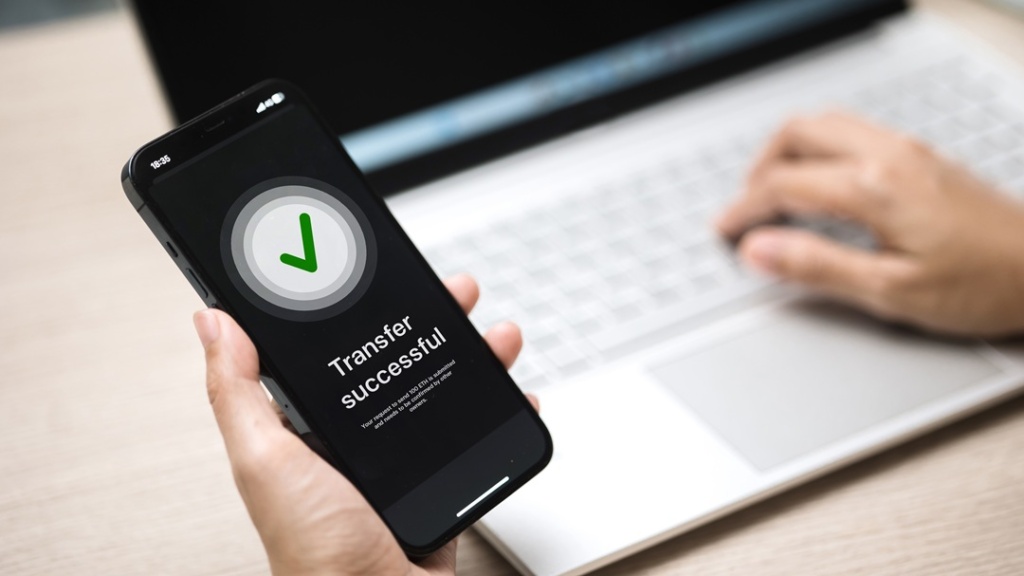
The duration of a wire transfer bank transfer depends heavily on whether funds remain domestic or traverse international boundaries. Domestic wire transfers initiated before daily bank cutoff times typically clear on the same business day.
An international wire transfer follows a complex route through intermediary correspondent banks, extending delivery to several business days. Each intermediary institution verifies transaction compliance and local regulatory requirements before passing funds along the clearing chain.
Processing times fluctuate based on time zone differences, regional bank holidays, and required currency conversions. Using a modern online payment account bypasses traditional clearing delays, providing significantly faster settlement times for digital transfers.
Why International Wire Transfer Fees Vary by Bank?
The cost of an international wire transfer varies significantly across financial institutions due to multiple underlying operational factors. Fees cover currency conversion margins, intermediary bank handling charges, and administrative compliance overhead.
When sending money abroad, sender banks charge outgoing wire fees, while recipient banks often impose incoming credit fees. Correspondent intermediary banks may also deduct handling fees as payments pass through international clearing routes.
Understanding the difference between what is a domestic wire transfer and an international wire helps predict transaction expenses accurately.
- Exchange rate markups represent a major hidden cost when banks offer rates below mid-market prices.
- Flat service charges vary based on transfer urgency and the recipient country's banking infrastructure.
- Premium banking tiers may offer reduced transfer fees for high-balance account holders.
Comparing total transaction costs—including live exchange rates—ensures you select the most cost-effective transfer method.
Benefits of Using an Online Payment Account Over Bank Wires
Digital financial innovations offer rapid settlement compared to traditional, slow-moving bank wire processes. An online payment account provides a unified multi-currency wallet that traditional banking structures struggle to match.
- Real-Time Tracking: Monitor payment status instantly, eliminating the uncertainty associated with multi-day bank wire delays.
- Advanced Security: Multi-layered encryption and biometric authentication keep your funds and financial data protected.
- Instant Control: Manage security parameters, freeze cards, or adjust transfer limits instantly via smartphone.
Digital wallets simplify global financial interactions, offering a seamless experience for modern international transactions.
Wrapping Up
Navigating the wire transfer vs. bank transfer main differences doesn't have to mean dealing with slow settlement times, unpredictable intermediary fees, or rigid banking schedules. While traditional financial institutions rely on complex clearing chains, Jeton Finance delivers a modern alternative for effortless global money management.
Whether you need to send a domestic transfer, execute a fast swift transfer, manage an international wire transfer, or utilize an intuitive online payment account, Jeton provides real-time tracking, multi-currency flexibility, and transparent pricing.
With built-in verification tools that automatically check international bank account number formats and validate what is IBAN number details, Jeton removes manual input errors from cross-border transactions. Moving funds globally with Jeton is simple and secure:
- Log in to your Jeton account.
- Select Send.
- Choose “Send to Recipient.”
- Add the recipient’s details.
- Fill in all the required bank details (if none have been saved before).
- Choose the amount.
- Click “Continue” to complete the process.
Take full control of your cross-border transactions without long delays or hidden costs. Experience instant multi-currency transfers, seamless account management, and payment security today.
Download the Jeton app via the App Store or Google Play and sign up easily to start sending money worldwide with total confidence!