Remittances have become an essential component of the global financial system. A remittance, in the most basic sense, is a money transfer from one person to another, generally from an overseas worker to their family back home.
Remittances have been an increasingly common means for workers to assist their family and communities as global mobility has increased and digital technologies have become more widely available.
The world of global remittance is vast and often confusing, filled with technical jargon and hidden fees. Whether you are a first-time sender or a seasoned expat, understanding the remittance meaning and the mechanics behind remittance payments is essential for protecting your hard-earned income.
In this primer, we’ll go over the fundamentals of remittances, how they function, and why they’ve become so crucial to millions of families throughout the world. By the end of this blog, you will not only understand what is remittance but also how to master it to benefit your family's future. Let’s start to explore!
What Is Remittance?
First off, let’s start by understanding the meaning behind the word. What is a remittance? Remittances are the exchange of payments between parties as a bill, an invoice, or even a gift. However, “remittance” also refers to cash sent by migrants to their families in their home country while working and living abroad. These are also known as migrant or labour transfers.
Remittance literally means “send back.” In most cases, a remittance is the transfer of funds to a receiver who resides outside of the country. Most households in underdeveloped and slow-growing economies rely mainly on remittances as their primary source of income. Foreign workers typically transfer a percentage of their earnings to their relatives back home.
To dig deeper into the terminology, we must ask: who is remitter in this scenario? The remitter meaning refers simply to the person who sends the money.
If you are the one initiating the remittance payment from your online payment account, you are the remitter. Understanding this role is the first step in mastering foreign remittance and ensuring your family receives the support they need.
To explore more, make sure to check out:
Remittance Transfers
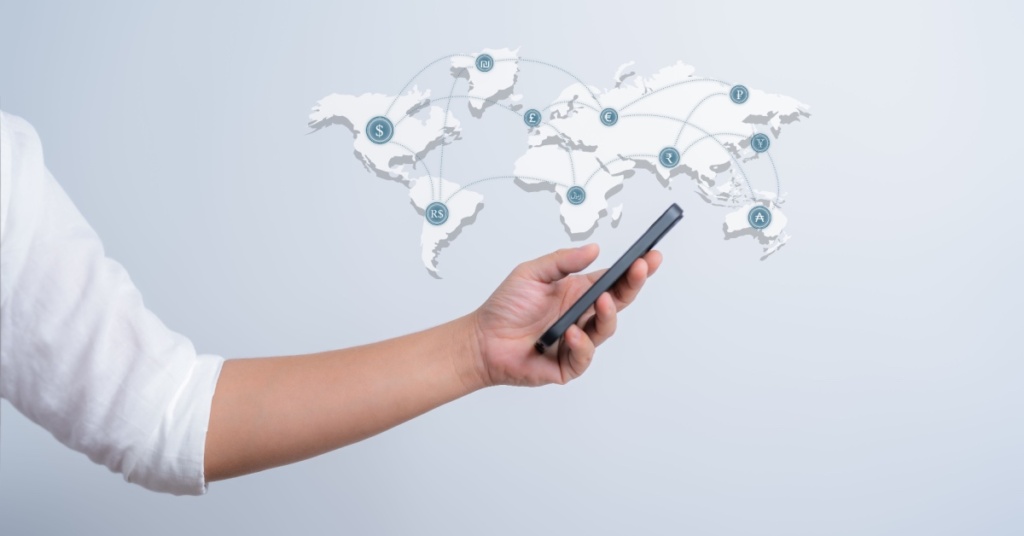
How are remittance transfers done? The majority of money transactions are now completed electronically. You can do this by using a money transfer service or a bank’s electronic payment system.
The individual sending the money pays a charge for the transfer via this method. Because digital transfers often take less than ten minutes and save time, they are frequently the most popular method of sending money abroad.
People in developing nations with poor economic growth rely heavily on remittances because family members who work abroad give them a large portion of their income. For example; when a natural catastrophe strikes, money brought home from overseas is critical because it helps fund recovery operations.
These factors significantly raise living standards in developing nations with modest economic growth. People in less developed nations can create bank accounts using these remittances, which is beneficial for economic progress.
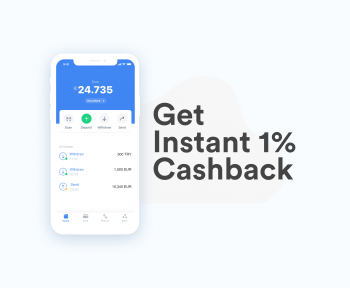
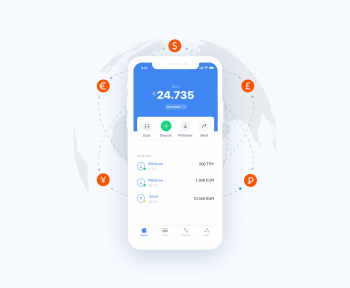
When you use a digital wallet for international payments, you are participating in a remittance transfer of funds that bypasses the slow, bureaucratic hurdles of the past. Using a payment wallet like Jeton allows you to receive money with Jeton or send it to loved ones with unprecedented speed.
Difference Between Remittance and Transfer
One of the most common questions for those new to global finance is the difference between remittance and transfer. While they sound similar, there are subtle nuances.
A bank transfer is a general term for moving money between accounts, often within the same country or for commercial purposes. In contrast, money remittance specifically refers to money sent by a person in one country to someone in another—usually for family support.
Many ask, is remittance a transfer payment? In economic terms, it is considered a transfer payment because it is a one-way transaction where no direct goods or services are exchanged in return.
Furthermore, when looking at bank remittance vs bank transfer, the primary distinction often lies in the purpose. When you use Jeton finance to move money, you are utilizing a multi-currency wallet account that handles both, but optimizes the remittance payment process to be faster and cheaper than a traditional bank.
If you are wondering who is the remitter in a bank transfer, it is always the party initiating the move. Whether it’s a payment remittance for a bill or a gift to a parent, knowing these terms helps you fill out forms correctly and avoid delays.
Purpose Code for Outward Remittance
When sending money internationally, especially to countries with strict financial regulations like India or Malaysia, you will encounter "purpose codes." A purpose code for outward remittance is a shorthand code that tells the regulating authorities why the money is leaving the country (e.g., family maintenance, education, or savings).
Similarly, the receiver's bank may require a purpose code for inward remittance to categorize the incoming funds. Using the correct code ensures that your foreign remittance isn't flagged or delayed. Modern platforms often help simplify this by providing clear categories, making the payment remittance process transparent for both the sender and the government.
What Are the Advantages of Remittances?
Financial Inclusion
Remittances serve to improve financial inclusion, particularly for people who are unbanked or underbanked. Even though they do not have a bank account, individuals can access and spend monies received from overseas.
Family Support
Remittances are an important source of assistance for families and communities. Workers overseas frequently send money home to help their families and meet basic requirements such as food, shelter, and education.
Economic Stimulation
By boosting the flow of money into the nation, remittances can promote local economies. This can lead to job creation and support for small enterprises, both of which contribute to economic growth.
Convenient and Accessible
With the development of digital technology, remittances have grown easier and more convenient, allowing individuals to send and receive money swiftly and conveniently. This has enabled employees abroad to assist their family without having to wait weeks or months for funds to arrive.
What Are the Disadvantages of Remittances?
High Fees
Workers who are already making little income may find it difficult to pay the high fees that some remittance firms demand to transmit money.
Exchange Rate Fluctuations
If remittance recipients are receiving funds in a different currency, exchange rate swings might cause large losses.
Lack of Financial Education
Many international workers and their families do not possess the financial literacy and know-how necessary to manage the money they receive in remittances. These issues usually result in the partial loss of the said financial resources.
Dependency
An excessive dependence on remittances can foster a culture of dependency in which families rely only on the money they get from abroad rather than building their own local economies and seeking other sources of income.
How to Make Remittance Payment
If you are ready to support your family, you need to know how to make remittance payment transactions that are both safe and cost-effective. The old way involved standing in line at a physical storefront and paying massive commissions. The new way involves your smartphone.
By using a payment wallet, you can convert your local earnings into the recipient's currency at fair rates. When you send money with Jeton, you are using a platform designed for the 21st-century worker.
Whether you are using a Jeton Card for daily expenses or using the app for global remittance, the process is seamless. You simply fund your online payment account, enter the recipient's details, select the appropriate purpose code for outward remittance, and hit send.
You can also check out:
Empower Your Family with Jeton
Remittances have grown to be a significant source of income for countless families all over the world. They provide a number of benefits, like enhanced financial inclusion and assistance for families, but they also have significant drawbacks, including hefty fees and fluctuating currency rates.
However, remittances will continue to play a significant role in the world’s financial system as long as people move for employment and need to provide for their family back home.
This is where Jeton Finance steps in to change the narrative. We believe that sending money home should be a moment of pride, not a moment of stress. By providing a multi-currency wallet account that is accessible to everyone, we are breaking down the walls of traditional banking and putting the power back into the hands of the remitter.
Why Choose Jeton for Your Global Remittance?
- Send money abroad instantly and ensure your family doesn't have to wait for urgent funds.
- No more guessing about foreign remittance tax or hidden fees; see exactly what you are paying upfront.
- Use your multi-currency account to hold, send, and receive money with Jeton in the currencies that matter most to you.
- Every remittance transfer is protected by high-level encryption, and your Jeton Card offers an extra layer of financial freedom.
Ready to support your loved ones the smart way? Download the Jeton App via the App Store or Google Play, sign up, and start your first secure remittance payment today!