Planning your long-term travel finance is essential to ensuring you have the stability and peace of mind to live abroad. Whether relocating for work, study, or personal discovery, managing money and bank accounts across borders demands smart tools and strategies for financial planning.
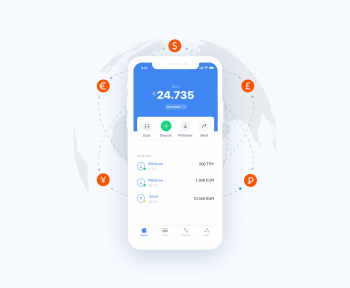
Conflicting exchange rates, unforeseen fees, and limited access to local banking can throw a wrench into even the best plans if you’re not properly equipped. A digital wallet streamlines cross-border payments, providing instant transfers, safe payments, and easy currency management—necessities for anyone living overseas.
From everyday costs to unforeseen crises, having the right financial infrastructure ensures that travelers and expats stay focused on their trip, not their bank account balance. Join us in this blog as we detail the key steps for securing funding, understanding tax liabilities, and maximizing savings while staying financially nimble abroad.
Financial Challenges of Long-Term Travel
The months, even years, you spend living in another country require more than just a budget. Traditional banks can be inadequate for international transactions, exposing travelers to excessive fees and delays. Foreign currency exchange fees, limited use of ATMs and restrictive policies on foreign bank accounts can eat into your savings.
Financial planning abroad begins with an understanding of these pain points. Earning a salary or paying rent without having a local bank account might require using third-party services, which complicates matters further. Instead, the bridge is digital solutions: They allow for seamless cross-border transactions, while diminishing the need to rely on physical banks.
Financial flexibility is another obstacle. Unexpected expenses, such as medical emergencies or visa renewal fees, necessitate cash on hand. Because a prepaid card associated with a multi-currency wallet allows you to use your funds immediately, you don’t have to wait for bank transfers. For those who handle living overseas finance, this agility is a must-have.
Managing Living Expenses Abroad
Daily expenses in another country can unearth surprises. Groceries, transportation, and utilities can all vary with exchange rates, which makes working out a budget whilst living abroad a target that is constantly moving. No monitoring in real time leads to overspending.
Digital wallets enhance transparency by aggregating spending across accounts in a single dashboard. Consumers can categorize their spending, place monthly limits on their cards, and get notifications if they're getting close to spending too much.
Another challenge is housing costs. Renting overseas also often entails large up-front deposits, which may not be so easy for a traveler to come by. You can also reduce some of the burden by splitting payments with secure money transfers or using prepaid cards for recurring bills. Frequent transactions earn rewards through the loyalty programs that can be redeemed on future purchases.
Local vs. Digital Banking: Which Works Best?
While you can open a local bank account, it's not always feasible. Many countries have residency requirements or high minimum balances to contend with. But digital options provide instant access, no such barriers.
A virtual prepaid card works like a local debit card but without the paperwork. It’s widely accepted, works in multiple currencies and offers fraud protection in many cases. For the expat money management, that combination of ease and security is priceless.
Handling Multiple Income Streams
It’s not uncommon for long term travelers to have more than one source of income. Earning as a freelancer, working a remote job, having rental income, or other passive income is what keeps people financially stable. It can be tricky to manage these streams across borders and you’ll want a system that minimizes transfer fees and delays.
Cross-border finance planning is easier with instruments that consolidate the money in one place. Digital wallets enable their users to receive payments in multiple currencies, convert them using competitive rates, and withdraw locally; all this without going to a bank. They also get paid faster.
Tax consequences complicate things further. Some countries tax foreign income, while others offer exemptions. Transaction tracking digitally simplifies record keeping and can help to ensure compliance with both home and local country regulations. Also, automated alerts on currency fluctuations help optimize exchanges when the rates are on the rise.
Freelancers and Remote Workers: Special Considerations
Self-employed travelers face unique obstacles. Payment platforms like PayPal or Wise may charge high fees for international transfers. A dedicated digital wallet reduces these costs by offering lower conversion rates and instant payouts.
Some digital wallet providers offer premium perks like reduced fees and priority support; ideal for high-volume earners. By consolidating income streams into one account, freelancers avoid the hassle of juggling multiple platforms.

Currency Risk and Budgeting
Indeed, exchange rates determine the long-term travel economy. A rapid devaluation of the local currency can make living expenses soar overnight. Without a way to protect against these risks, budgets are meaningless.
International budgeting should also have hedging components, including rate alerts. FX notifications allow users to monitor exchange rate changes to convert at the right time. Daily updates keep travelers on their toes and prevent them from getting burned by costly last-minute exchanges.
Diversifying currency holdings is another safeguard. Keeping your money in a mix of stable (like USD, EUR) and local currencies is a good way to manage risk. Just as easy are instant swaps between balances in your digital wallet; without having to contact a bank and wait for them to execute the exchange.
Avoiding Common Pitfalls
- Cash dependency: It is risky and uncomfortable to take out a lot of money. Digital payments are more secure and frequently less expensive.
- Ignoring fees: Some services promote “free” transfers but recoup the fees through bad exchange rates. Be sure to check the total cost of everything.
- Overlooking emergencies: A separate pot of money for a rainy day accessible through a prepaid card helps avoid financial anxiety.
International Payment Tools
With the right tools, planning for cross-border financing goes from being a grind to becoming a smooth process. Digital wallets are also known for their many features, such as:
- Instant transfers: Send money to your relatives, landlords or utility providers nearly instantly.
- Prepaid cards: Use them locally or online, no need to convert your money.
- Loyalty rewards: Get points on your transactions and enjoy redemption in form of discounts, or cashback.
- Mobile access: Use an app to access your funds 24/7, with spending analysis and more.
For managing money as an expat, these services mean that you don’t need to open accounts with multiple providers. One platform does it all, from rent payments to grocery shopping, with full fee transparency.
Accessing Funds Securely
For those who are traveling for extended periods of time or living outside of their home country, having access to their money is something that they should be able to rely on without an issue. Delays fees and weak international services are usually the norm when dealing with traditional banking. Digital options are a better, more seamless way to go.
A multi-currency e-wallet is a convenient way for anyone to hold, convert and spend local currencies without much fees. Virtual prepaid cards also enhance security, by letting you shop online without revealing your primary accounts.
Secure access features:
- Withdraw to eligible banks in seconds, no more waiting for five days with real-time transfers.
- Prepaid card options: Visa cards can be physical or virtual and are directly linked to the wallet, making you less reliant on cash.
- FX alerts: Receive notifications of custom rates to exchange currencies at the best moment and save on the cost of exchange.
For those prioritizing expat money management, minimizing friction in daily transactions is critical. Digital tools eliminate the need for multiple accounts while keeping funds accessible worldwide.
Tax and Compliance Awareness
Living abroad doesn’t release travelers from tax obligations. Each country has different policies for residents, temporary visitors and remote workers. Noncompliance can lead to fines or legal troubles.
Steps to Stay Compliant
- Study residency regulations: Certain countries have worldwide income taxation after a certain duration (e.g. 183 days). Some grant exceptions for temporary stays.
- Monitor income and expenses: Keeping track of your money is easier with digital wallets, which can provide your transaction history anytime.
- Seek advice from local specialists: Tax experts in the host country may be able to explain your tax requirements (particularly if you’re a freelancer or digital nomad).
And for those whose finances cross borders, tools that automatically categorize your spending make tax prep easier. Users can export statements, which helps them maintain accuracy when filing in several states. Some nations request proof of funds for visa renewals. A well‐valorized digital wallet is a trustworthy proof.
Health and Emergency Costs
Medical emergencies abroad can ruin even the best international budgeting plans. Unplanned bills may send tourists scrabbling for savings or loans that come with high interest rates.
Some precautions you can take to reduce that risk are:
- Travel insurance: Look for policies that include medical evacuation, hospitalization and repatriation. Compare the procedures to be sure they are consistent with the cost of healthcare in the host country.
- Emergency funds: Save 3 to 6 months of expenses in an account that you can easily access.
- Local health care research: Some nations require treatment to be paid for in advance. Find out which hospitals accept digital payments so you don’t find yourself running out of cash in a hurry.
For long-term stays, you might want to purchase supplementary coverage if the public healthcare system in the host country doesn’t cover expats. The combination of insurance and a flexible digital wallet makes sure your money is there when you need it most.
Long-Term Savings While Abroad
It takes discipline and proper tools to build up savings in a foreign land. Changing currency values, different interest rates and banking restrictions in different countries mean plans for growth can be a little complex.
Some ways to grow savings overseas:
- Multi-currency accounts: Having funds in stable currencies, such as the USD or EUR, can help you hedge against local economic volatility.
- Automated transfers: Set up automatic payments to a high-yield savings account or investment platform.
- Pay with rewards: For those managing cross-border finance planning, consider a tiered account system. A few digital wallets give you points each time you use them that you can redeem for cash back or discounts.
For those focused on financial planning abroad, diversifying savings across accounts and currencies reduces risk. With the rise of low fee international transfers direct from digital wallets, sending money between home and host country has become easier; without eating up your money on excessive fees.
Staying Financially Flexible
Flexibility is the bane of long-term travel funds. Exchange rates change, local expenses vary, and life situations change. Adapting quickly ensures stability.
Tactics for maintaining flexibility:
- Dynamic budgeting: Track your expenses in real time with apps. Vary categories monthly according to earnings or expenditures.
- Diversify your income streams: Work as a freelancer, a remote worker, or earn passive income (like from rentals) to have a buffer.
- Backup sources of funds: Have a second prepaid card or small stash of cash for use in areas that don’t take plastic easily.
For travelers managing living overseas finance, the ability to pivot is priceless. A muliti-currency wallet with global access and with low fees can eliminate border barriers, whether paying rent in Tokyo or booking an urgent flight from Barcelona.
Wrapping Up
The key to managing the finances of travelling long-term successfully is being prepared and adaptable, along with having the right tools. Taking the initiative—whether it be for money, taxes, or emergencies—keeps panic at bay and makes living abroad less administratively difficult.
Through digital means, travelers can minimize fees with competitive exchange rates, get immediate access to funds from anywhere, and keep track of spending in real-time to prevent going over budget.
Digital services fill the void left by traditional banks and deliver speed, security, and control, no matter where life takes you. For everyone from expats to travelers, the aim is simple: spend less time worrying about money and more time enjoying the journey.
Whether you're planning a one-year sabbatical or a permanent relocation, the right financial strategy provides peace of mind and more time to savor the experience. Take control of your fast money transfers and global spending by choosing a top digital wallet for global transactions.
Download the Jeton app via the App Store or Google Play to open your multi-currency account, manage your Jeton Card for daily expenses, and utilize the Jeton Virtual Card for secure online bookings across the globe.
Sign up easily and join over a million users who trust Jeton finance to bridge the gap between borders and make international living truly seamless!