The rise of digital assets is a big change in the world of finance. Digital assets and the future of finance are interconnected, paving the way faster, borderless, and more transparent transactions. As technology changes the way value is made and traded, it is important to understand digital assets meaning.
Digital assets, like cryptocurrencies, crypto tokens, NFTs, and stablecoins, are changing how we think about ownership, trust, and investment in the digital economy.
They are the next step in the evolution of money, connecting traditional banking systems with new ideas that don't rely on a central authority. Investors can confidently participate in this changing market because it is clear, fast, and compliant.
Digital assets are more than just technological inventions; they are changing the way we interact with each other, govern ourselves, and do business.
They make new ways of working together possible, like decentralized autonomous organizations (DAOs), where smart contracts let communities manage assets openly. This move toward decentralization gives people the power to own and trade value directly, without the need for a third party.
Join us in this blog as we explore how digital assets are transforming the global financial landscape and reshaping the way individuals and businesses manage, store, and move value. Let’s start with the definition of digital assets!
Definition of Digital Assets
Digital assets are things of value that exist in a digital form and can be owned, stored, or moved around electronically. These assets use blockchain or distributed ledger technology (DLT) to make sure that they are safe, clear, and easy to follow.
They don't need banks or other central authorities to check transactions like traditional financial instruments do. In short, a digital asset can be anything, like money, rights, property, or digital collectibles. A decentralized network stores each asset and uses cryptographic keys to check who owns it.
This structure makes it harder for people to commit fraud, protects users' privacy, and makes it easier for people all over the world to use it. The user's private key determines their control, which is why security is so important in digital asset management.
It's clear that digital assets make the financial system more efficient and open to everyone. Transactions happen in seconds, across borders, and for less money. Jeton's trusted digital solutions make it easy to manage your assets around the world and securely. You can make quick transfers and see all your transactions.
Types of Digital Assets: From Cryptocurrencies to NFTs
Types of digital assets (NFTs, crypto, etc.) have a lot of different tokenized instruments that do different things in different markets. Bitcoin and Ethereum are examples of decentralized digital currencies that let people send money to each other directly.
NFTs, or non-fungible tokens, are a way to show that you own a piece of digital art, a collectible, or a piece of virtual property.
Stablecoins keep their prices stable by linking their value to fiat currencies or commodities. Users can use utility tokens to get to certain services in blockchain ecosystems.
You should know about these two main groups:
- Digital assets that can be traded: Cryptocurrencies, utility tokens, and stablecoins are all types of interchangeable tokens that can be used for trading or transactions.
- Non-fungible digital assets: These are unique digital certificates of ownership, like NFTs, that prove that something is real and rare.
Security tokens and governance tokens are also becoming more important in decentralized ecosystems. Security tokens are like regular investments in that they give you rights or dividends.
Governance tokens, on the other hand, let holders vote on how a project should be developed. Investors can use this classification to spread out their investments and look for new opportunities.
How Digital Assets Differ from Traditional Assets
The primary distinction between digital assets and traditional assets pertains to their structure, ownership, and accessibility. Centralized databases hold traditional assets like stocks, bonds, and real estate.
These assets need middlemen like brokers or custodians to work with them. Digital assets, on the other hand, are stored on a blockchain that cuts out middlemen and lets people make direct transactions with each other and see proof of ownership.
In traditional systems, it can take days and cost a lot of money to send money across borders. Digital assets make it possible to settle things almost right away and at a low cost. This change brings new chances and responsibilities for people who are interested in how to manage digital assets securely.
Security is still very important. To keep your assets safe, it's important to manage your private keys, use two-factor authentication, and store your long-term holdings in cold storage.
Digital asset custodians and digital wallets have been created to help people with encryption, recovery, and following the rules. To sum up, digital assets give you freedom, but you need to be able to manage risks and know how to use technology.
Why Digital Assets Are Gaining Popularity
There are a number of reasons why digital assets are becoming more popular and attracting investors from all over the world. Here are the most important reasons why they are becoming so popular so quickly:
- Diversification: Investors look for ways to protect themselves from inflation and economic uncertainty by using digital assets instead of traditional markets.
- Transparency: Blockchain makes sure that transactions can be verified and that public records are correct, which builds trust and cuts down on fraud.
- Efficiency: Compared to traditional systems, transactions happen faster and cost less.
- Accessibility: Tokenization makes it possible for more people to own a part of high-value assets, which opens up participation to a wider audience.
- Innovation: New technologies like DeFi (decentralized finance) and smart contracts make digital assets (NFTs, crypto, etc.) more useful.
- Regulatory Progress: Clearer digital asset regulation makes people feel more confident, which gets institutional investors to join the market.
Central banks are also making their own digital currencies (CBDCs), which will make digital assets even more a part of mainstream finance.
These changes show that we are moving toward a hybrid financial model that combines decentralized innovation with regulatory oversight. It's clear that the meaning of digital assets is changing as finance becomes more open and technology-based.
Blockchain Technology Behind Digital Assets
Digital assets are built on blockchain technology. By connecting data blocks with cryptographic algorithms, it makes transactions on decentralized networks safe, traceable, and impossible to change.
Each block has transaction data that participants have agreed on through consensus mechanisms like proof of work (PoW) or proof of stake (PoS).
Blockchain powers tokenization of assets, which turns real-world assets like real estate, art, and commodities into digital tokens. Tokenization makes things more liquid, lowers the barriers to entry, and lets people own parts of things.
This technology connects traditional finance with digital ecosystems, making investment opportunities available to people all over the world.
Blockchain also makes people more responsible by giving regulators and participants clear audit trails. Long-term investors will need to know both how blockchain works and how to safely manage digital assets as the world becomes more digital.
The future of finance depends on the combination of technology and rules. As digital assets keep changing, institutions, developers, and regulators need to work together to make sure they are safe, can grow, and follow the rules.
People who get used to this financial revolution early will have more freedom, inclusion, and openness. The digital transformation is happening right now, and it's changing the world economy one block at a time.
Storing and Securing Digital Assets Safely
Protecting your digital assets over the long term is essential. To be a responsible owner of tokenized investments, NFTs, or cryptocurrencies, you must understand how to manage digital assets securely.
Following best practices is essential because misplacing private keys or suffering security breaches can lead to irreversible financial losses.
The most important things to do to keep things safe and in order are as follows:
- Hardware wallets help keep your assets safe from hackers by keeping them offline.
- To make your wallets and exchange accounts more secure, turn on multi-factor authentication.
- You should keep copies of your private keys in safe places that aren't connected to the internet.
- Regularly update the software and security features in your wallet.
Furthermore, you should never share your private keys or seed phrases. They are like the keys to your digital safe. Keep track of your transactions and regularly check your digital holdings. By following these rules, investors can keep total control over their money.
Jeton offers a secure and approved way to make payments and keep an eye on online transactions while protecting the privacy of payment service users in this regard.
Regulatory Landscape for Digital Assets
Digital asset regulation is changing quickly as governments and international organizations try to find a balance between protecting consumers and encouraging creative thought.
The regulation provides instructions on how to classify and trade types of digital assets (NFTs, crypto, etc.), as well as guidelines for taxes, anti-money laundering (AML) and know-your-customer (KYC) compliance.
The EU's Markets in Crypto-Assets Regulation (MICA) is one all-inclusive digital framework that is setting the standard in Europe, Asia, and North America. These programs seek to stabilize the market, boost investor confidence, and lessen fraud.
Blockchain startups and institutional investors are drawn to clear regulations, which promotes economic growth and innovation. Regulators are growing more conscious of the degree of cooperation between different jurisdictions as countries work together more.
This guarantees that the rules governing tokenization of assets and cross-border payments are the same. Sensible regulations make it easier to quickly, easily, and legally create new financial uses.
The Role of Digital Wallets in Asset Management
If you work with digital assets, you must have a digital wallet. They have the cryptographic keys that let you safely send and receive money and handle your assets. Digital wallets come in a variety of forms, such as software, hardware, and paper. Each has a different level of security and usability.
The type of digital wallet you need will depend on your trading style and the kinds of assets you own. Hot wallets are easy and quick to use for everyday transactions because they are online.
Cold wallets lessen the chance of hacking by keeping assets offline. Institutional investors often use custodial wallets that meet compliance standards. Individual traders, however, favor non-custodial wallets because of their greater flexibility.
Good wallet management includes regular backups, software updates, and protecting the privacy of private keys. Experts advise keeping your money in separate wallets for various uses.
You should keep larger amounts of money in a different wallet for long-term assets and smaller amounts in a different wallet for trading just to be safe.
For those who wish to combine asset control and payment flexibility, Jeton provides seamless solutions that integrate efficiency and safety into a single system. You can ensure that all digital transactions are transparent, speedy, and compliant with the law by closely monitoring wallets and adhering to regulations.
Investing in Digital Assets: Risks and Rewards
You can profit greatly from investing in digital assets, but there are many risks involved. Investors can make wiser decisions if they understand how these things operate. The effectiveness and safety of a product can be impacted by changes in the market, regulations, and technology.
Important considerations are:
- Danger of insufficient funds: Because there aren't many buyers and sellers, trading digital assets like NFTs and cryptocurrencies is more difficult.
- Because of market volatility, prices can fluctuate significantly over brief periods of time.
- Uncertain of the regulations: The taxation and nomenclature of digital assets may change if regulations change.
- Security risks: Things are more likely to be stolen if you don't store them properly.
Although there are risks, there are also significant rewards. By tokenizing them, people can acquire a tiny portion of physical assets like art, real estate, and other items. They can now invest in new ways thanks to this.
As their use grows, digital assets bridge the gap between blockchain-based ecosystems and traditional finance. The opportunity is to develop the ability to manage risk effectively through intelligence and self-control.
In order to make adjustments before they become necessary, astute investors examine market trends, examine the fundamentals of a project, and keep abreast of technological and regulatory developments.
How Jeton Supports the Digital Asset Ecosystem
As digital assets continue redefining the future of finance, one thing becomes clear: flexibility, security, and global accessibility are no longer optional — they’re essential. This is exactly where Jeton steps in.
By facilitating cross-border payments, Jeton improves the world of digital assets. By providing a regulated payment system that accepts a wide range of currencies, it decentralizes digital assets.
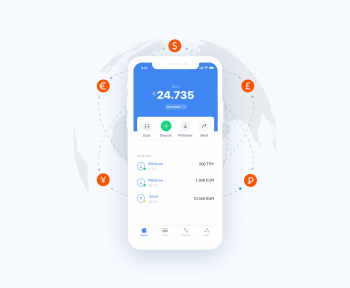
With Jeton Wallet, you manage, store, and move your digital and traditional funds in one secure space — truly one app for all needs. Whether you're exchanging currencies, sending payments across borders, or simply keeping your finances organised, Jeton gives you a single, streamlined account to handle it all.
Looking for everyday usability, too? The Jeton Card bridges your digital money with real-life spending effortlessly. Contactless payments? Yes. Spending limits? Absolutely. Card freezing for extra safety? Already built in. It’s designed for travelers, digital finance enthusiasts, and anyone who wants a smarter way to pay.
If you’re ready to step confidently into the future of finance, start today. Download the Jeton App via the App Store or Google Play, open your Jeton Wallet, and order your Jeton Card to experience a faster, smarter, borderless financial life.
Trusted by over 1M+ users worldwide. Sign up now!