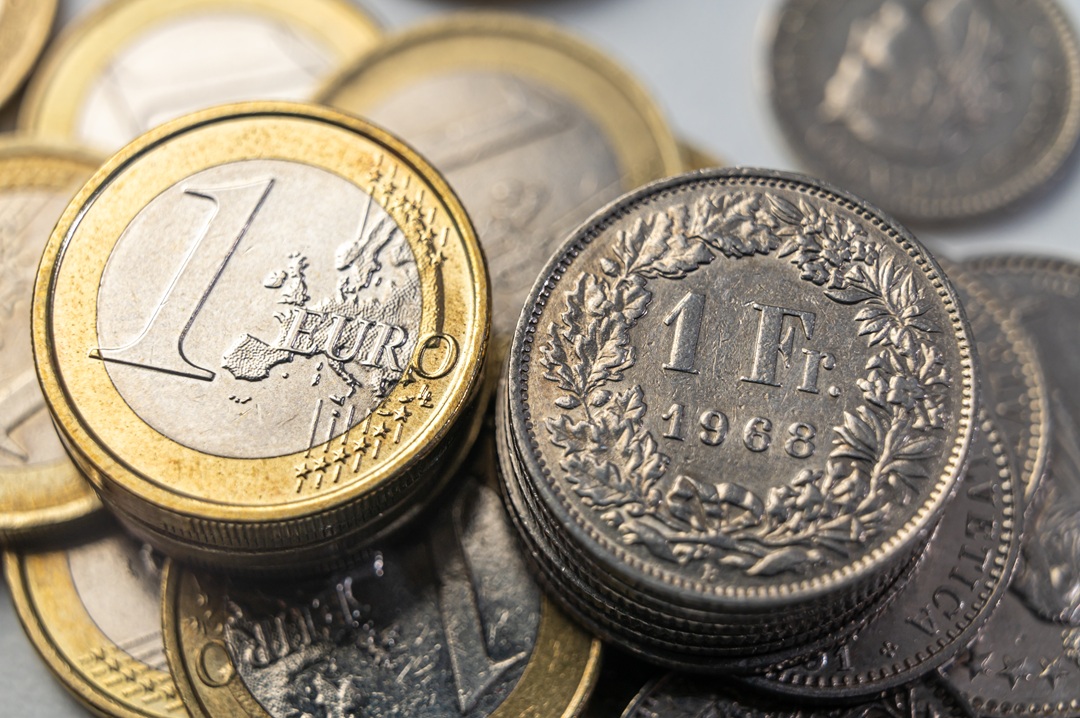
Understanding the difference between Swiss francs and Euros is essential when planning a trip to Switzerland or managing payments across Europe. Although Switzerland is surrounded by eurozone countries, the Swiss franc (CHF) remains the country’s official currency.
In this guide, we’ll explore the key differences between the Swiss franc and the euro, where each currency is accepted, and how to manage currency conversion when traveling.
When you travel to the heart of Europe, you may have a lot of questions about how to handle money and make payments. The first step to having a stress-free and enjoyable trip through the beautiful Alps is to learn the ins and outs of Switzerland currency.
Choosing to send money with Jeton is one of the best ways to keep track of your international budget because it is fast and open for travelers from all over the world. Having the right tools keeps your mind on the beautiful sights instead of on complicated bank fees.
Switzerland Currency vs the Eurozone
The Swiss Confederation's economy is different from those of other European Union countries because it is not part of the EU. The Swiss Franc is still the currency of Switzerland, even though most of its neighbors have switched to a single currency.
Tourists should know that the rules are very different in the center of Europe. The franc's high purchasing power shows how strong the local economy is. Anyone who wants to visit both the cities and the rural mountain villages needs to plan ahead for these differences.
- Depending on which part of the country you are in, the local franc is split into centimes or rappen.
- Most vendors in popular tourist areas will show prices in both the local currency and the euro to make it easier for tourists from other countries to understand how much things cost.
- A multi-currency account is a great way to keep track of different balances and avoid the high fees that come with exchanging money at the airport.
Digital tools that give you real-time updates on every transaction you make make it much easier to keep track of your spending. People who travel a lot these days often like platforms that let them make quick changes and keep all of their payments safe when they are abroad.
Does Switzerland Use the Euro for Daily Trade?
Many first-time visitors ask, "Does Switzerland use the Euro for their regular purchases at neighborhood stores and restaurants?" The short answer is no. The Swiss Franc is the only official currency, and it is used for all business, both public and private.
But many big stores, train stations, and hotels in big cities like Zurich and Geneva will take the common European currency as a courtesy to travelers. You should remember that the exchange rate in these stores is almost never in your favor.
When you pay with a foreign bill, you will almost always get your change back in Swiss Francs. This is often at a rate that includes a hidden convenience fee. Using the local money is usually a lot better because it makes sure you get the best deal.
- In mountain villages, small shops and local cafes are much less likely to accept anything other than the national franc or a valid card.
- Many automated kiosks for parking or public transportation only work with the local currency or a digital payment method.
- The Jeton app makes it easy to manage your money on the go. You can check your balance before you buy something.
Using digital solutions means you don't have to carry around a lot of cash, which makes you safer overall when you're exploring new places. It also makes it easier to keep track of your daily expenses in different categories, such as food and transportation.
Using a Currency Converter Swiss Francs to Dollars
It's important to use a currency converter Swiss Francs to Dollars to find out the current market value before you book your flights and hotel. Prices in Switzerland are usually higher than in North America, so knowing how to convert the currency can help you make a budget that makes sense.
Exchange rates change every day because of what is happening in the world market. That's why it's a good idea for any smart traveler to check the rate right before they leave.
Using a secure card for your purchases gives you an extra layer of security against people who shouldn't have access to your money while you're shopping in busy areas.
Modern payment methods are much more secure than the old-fashioned paper travelers' checks because they use biometric features and send instant notifications.
You can now confidently manage all of your money from the palm of your hand. If you choose Jeton Finance, you are choosing a system that puts the user experience first and offers competitive rates for managing money around the world.
Understanding the Symbol for Swiss Currency
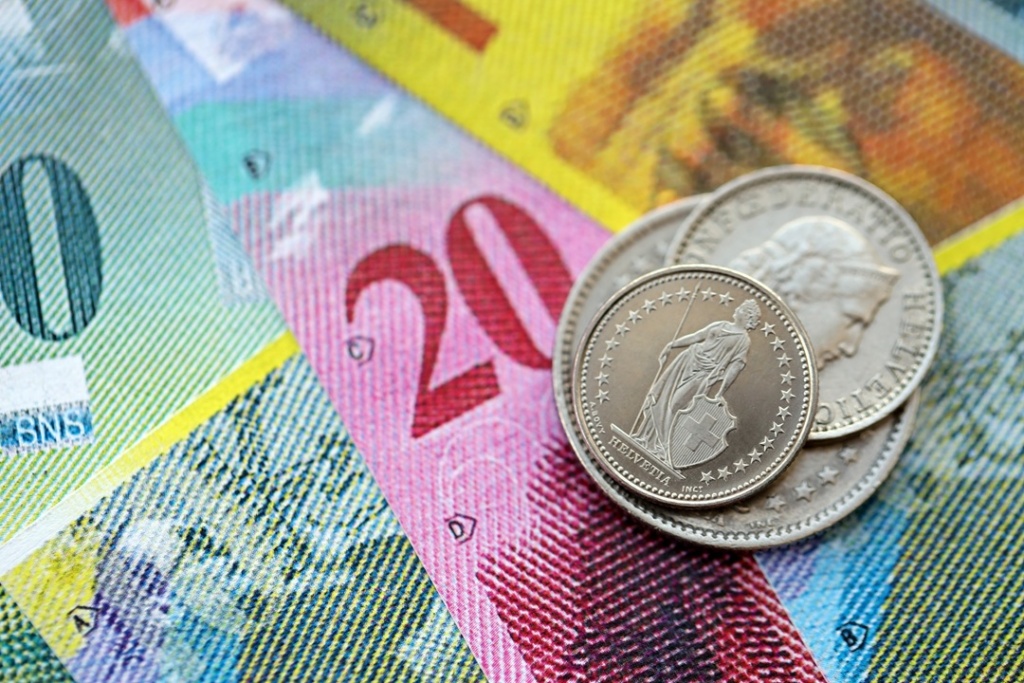
When you look at price tags in store windows, you need to know the symbol for Swiss currency so you don't mix them up with other denominations. The letters CHF, which stand for "Confoederatio Helvetica Franc," are usually what you see.
This is the country's Latin name. In official and business settings, the franc is almost always shown by its three-letter ISO code, unlike the dollar and euro, which use symbols like $ and €. In smaller, more traditional places, you might see a simple "Fr." on the menu.
The way banking has changed has made it easier to avoid many of the old-fashioned problems that come with changing money at a physical teller window. Digital platforms now let you see exactly how much your money is worth at any given time in a more open and direct way.
The Best Way to Send Money Abroad to Switzerland
Finding the best way to send money abroad is very important if you need to pay for a vacation rental or send money to a friend. Bank wires that are done the old-fashioned way can be slow and often require several banks to act as middlemen, each of which takes a small fee from your transfer.
Using a dedicated digital service is often the quickest and cheapest way to send money across borders. These services use new technology that cuts out the middleman, which means that customers get lower fees right away.
Another important factor is speed. Many digital transfers can be done in a few minutes or even seconds, while a standard wire can take days.
With a reliable multi-currency account, you can keep Swiss Francs in advance, which can protect you from sudden changes in the exchange rate.
It also makes it easier to get paid by clients or employers from other countries because you can keep the money in its original form until you're ready to change it.
Managing a Multi-Currency Account for Cross-Border Commuters
If you live in one country and work in another, you face a unique set of financial problems that need a modern and flexible way to handle them every day.
Many professionals who travel between the Eurozone and the Swiss cantons find that keeping a multi-currency account is the best way to deal with their different sources of income.
- Having a separate digital wallet helps you keep track of your savings and living expenses in one simple app.
- You can set up automatic transfers so that your bills in different countries are always paid on time. You won't have to manually convert funds every month.
- Keeping digital records of all your purchases makes it much easier to see how much you spend and where you can cut costs on your daily commutes.
These tools make international banking easier, which lets users focus on their professional goals instead of worrying about how their payments work. Combining different financial services into one platform makes it easy for people who live a truly international life.
Using a Secure Card for High-End Swiss Retail
The high-end shopping areas in Zurich and Geneva are famous all over the world, but you need to be very sure of your payment method before you buy something big.
Using a secure card protects your high-value transactions with the best encryption and fraud prevention technologies available today. Shoppers in these high-end stores expect a smooth and professional checkout process. With a reliable digital tool, you can focus on the quality of your purchase.
Many people who visit the Bahnhofstrasse's boutiques wonder, "Does Switzerland use the Euro?", but the answer is that the local franc is always the best way to pay. Some stores may let you convert money at the register, but it's usually safer and cheaper to use a card that does the conversion for you.
When you use a platform that puts user privacy and technical integrity above all else, it's easier to keep your financial information safe from possible threats. Jeton's global infrastructure is made to meet the needs of international users who use it a lot.
Why Jeton Finance Simplifies Euro-CHF Transactions
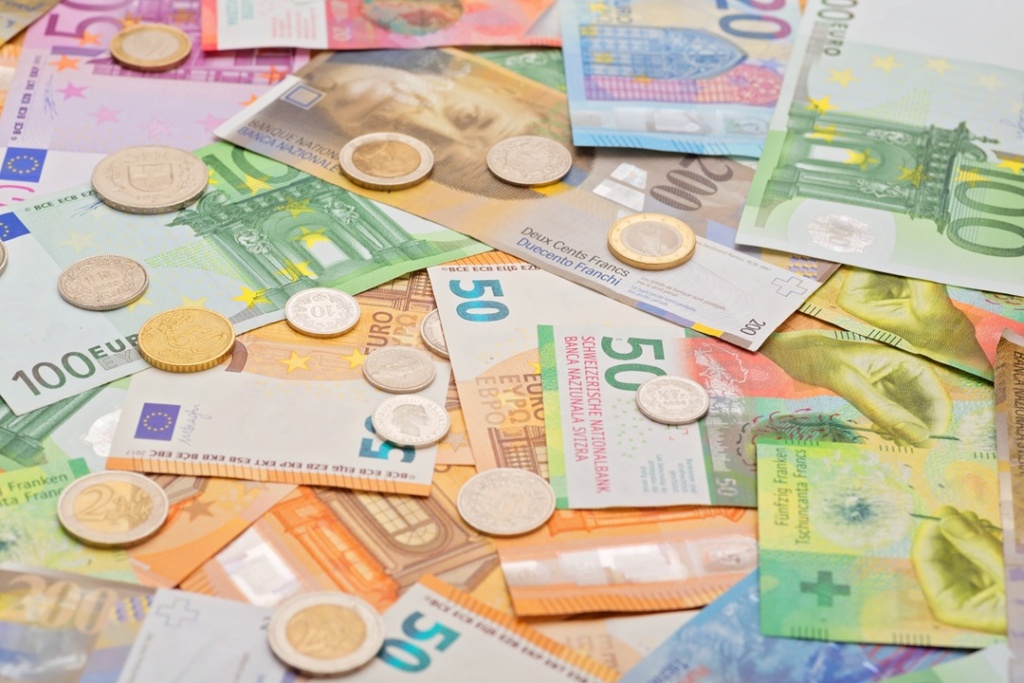
If you use regular banks to move money between the common European currency and the Swiss Franc all the time, it can be a complicated process. Jeton Finance's specialized services, on the other hand, make this transition easier by offering all users competitive rates and quick processing times.
The platform makes it easy to connect these two important economic areas directly, which means that there is no need for multiple middlemen banks that slow things down and charge extra fees.
- The platform gives you a clear list of all the costs that come with your transfers, so you won't be surprised when the money gets to its destination.
- The euro and franc markets have a lot of liquidity, which means that even big transfers are handled with care.
- The user-friendly interface makes it simple for anyone, no matter how much experience they have with international financial systems, to start a transaction.
Modern technology has made it easier for the average person or small business owner to do cross-border finance, which used to be a slow and difficult process. Anyone who wants a better and more open way to manage their money can now use global payments.
How to Send Money with Jeton to Swiss Bank Accounts
Knowing the best way to send money abroad is important for keeping your finances in good shape when you need to pay a local bill or rent something for a long time.
Traditional methods can be very expensive, but modern digital solutions are much faster and clearer for these specific needs. You are able to send money with Jeton to any bank account in the Swiss Confederation.
This makes sure that your payments get there on time and in the right currency. The process is meant to be as simple as possible; it only takes a few clicks to start a transfer that used to take days.
It's always a good idea to check a currency converter Swiss Francs to Dollars before you make a big transfer to see how the current rates compare to historical averages.
Real-Time Rate Tracking on the Jeton App
To stay ahead of the market, you need to have access to the latest information. The Jeton app gives you real-time data that you can use to make smart choices.
You won't have to guess how much money you have when you're on the go because you can always access this information. In a fast-paced economy, the app gives you an edge by letting you keep an eye on how the Swiss franc changes compared to other major world currencies.
In addition to keeping an eye on rates, the mobile interface has a full set of management tools that let you manage your account from anywhere in the world. You are always in charge, whether you are in a boardroom in Zurich or on a train through the Alps.
Seeing the symbol for Swiss currency in the app's interface makes it easy to see your different balances and keeps you from getting confused when you make a transaction.
The clear and professional design makes sure that all the important information stands out and is easy to read on a small screen. New technology in the mobile world is changing the way we handle our money, making it more a part of our everyday lives than ever before.
Planning a trip to Switzerland or managing payments in different currencies? Download the Jeton app from the App Store or Google Play to conveniently manage your money, make international payments, and keep track of your spending wherever you go.