- Reduce overheads – reducing overheads can give you a one-off or an ongoing reduction in costs, depending on the overhead. Examples include saving on your telephone bills, travel expenses, staff salaries, and more.
- Reduce the cost of goods sold – this includes things like negotiating better prices with suppliers, making the manufacturing process more efficient, outsourcing, and more.
- Increase sales volumes – to spread costs in your business as far as possible.
What is a Net Profit and How is This Calculated
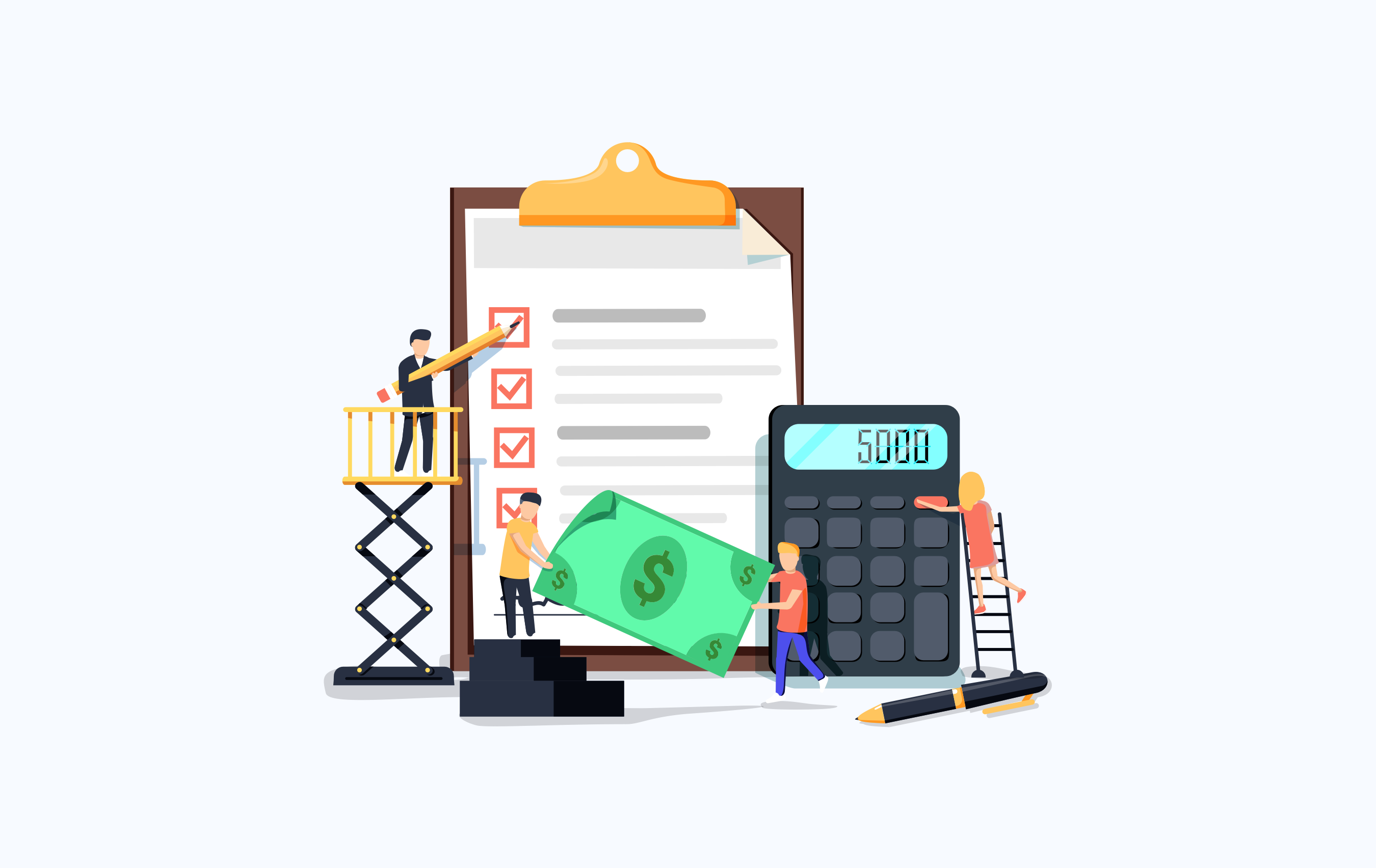
We all know that sales are an indicator of the success of your business. There is a more important measurement to look at, however – net profit. What exactly is net profit?
Net profit is the amount of money that is left after you subtract your total business expenses from your total revenue. In other words, it is a calculation that includes almost all financial transactions in your business. If total expenses and charges are greater than revenue, the business incurs a net loss, if expenses and charges are less than total revenue, it has made a net profit. Expenses are what the company spends.
The notable exception is tax – net profit does not include tax payments as tax calculations are based on a percentage of your net profits, i.e. the net profit figure is required before the tax calculation can be done.
A low or negative net profit is indicative of various issues such as fewer sales, poor management of expenses, poor marketing, ineffective pricing, poor customer service experience from employees and more. A high or positive net profit can be attributed to several favorable variables.
It's important to note that net profit will vary depending on the industry you're in and the company you work for.
How to Improve Net Profit