Booking flights and hotels is only one part of planning a trip to Europe. It's important to know how to deal with your Euro travel money so that everything goes smoothly and you have a good time.
Learning how to manage your money before you leave will help you save time, money, and stress on your trip. Before you leave, take some time to learn about the official currency in Europe and the Euro (EUR), and check the exchange rates.
It makes traveling and spending money across borders easier in more than 20 countries on the continent. Having a clear Europe travel budget also lets you plan your meals, transportation, and activities while still keeping track of your money.
In Europe, each region has its own way of setting prices. Knowing these helps you change the way you spend money quickly. Join us in this blog as we go further in detail to help you navigate your trip. Let’s start!
Getting Euros: Where and When to Exchange
The best way to get euros depends on where you are and how you like to travel. A lot of travelers use banks, currency exchange offices, or ATMs to easily get money in the local currency.
It's important to check exchange rates and service fees when doing money exchange Europe transactions. Most of the time, it's better to use exchange offices in the city because airport kiosks tend to be more expensive.
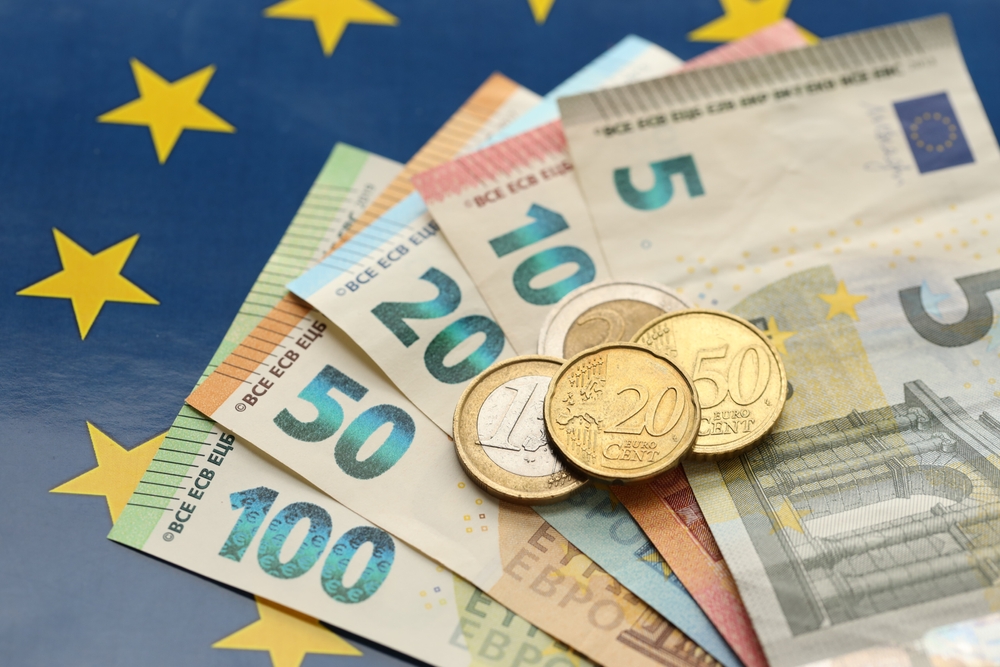
You should also always ask about any hidden fees or commissions before you agree to a deal. To avoid carrying too much cash, only trade what you need at a time. It's easier to pay for small things like coffee or metro tickets when you have both coins and bills.
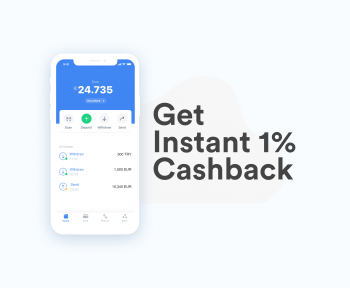
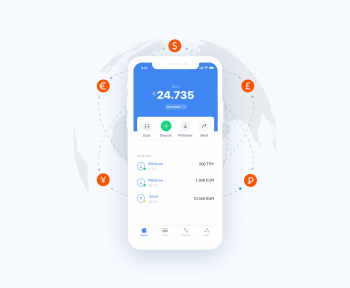
Digital payment platforms like Jeton can also help travelers by letting them quickly switch between currencies and make safe online payments. When you travel to more than one country that uses the Euro (EUR), Jeton makes it easier to handle your money.
Finding the Best Euro Rate
Getting a good exchange rate can have a big effect on how much money you can spend on your trip to Europe. Rates change a lot from day to day because of market conditions, so it's a good idea to keep an eye on them before you exchange your money.
Currency converter apps and online tools are great for getting live updates. You can also get alerts when the exchange rate hits the level you want it to.
- Before you exchange, check rates from several providers.
- Don't exchange money at airports or places with a lot of tourists.
- Use digital platforms to get better conversion rates.
Banks usually have more stable exchange rates, but they might charge small fees for transactions in other countries. Jeton, on the other hand, lets travelers change money into Euros (EUR) right away and keeps fees and exchange rates clear. It gives modern travelers freedom by mixing safety with convenience.
Cash or Card in Europe: Which One Should You Use?
In Europe, both cash and cards are very important. Most hotels, restaurants, and stores will take debit and credit cards, but small markets and family-owned stores usually want cash. Finding the right balance for your travel style is the most important thing.
For local experiences, tips, and small purchases, using cash in Europe is often necessary. In some rural or remote areas, people may still not use digital payments as much.
- For big purchases like hotels and rentals, use cards.
- Bring cash for small shops, cafes, and transportation.
- Tell your bank when you plan to travel so they don't block your card.
In Europe, contactless payments and digital wallets are very common. Jeton is a safe way to make payments and buy things quickly. It lets you handle different currencies from one app, which is especially helpful when you travel to more than one country.
If you're a traveler who wants convenience and the ability to use your money anywhere in the world, Jeton can make your payments easier when you're abroad.
Budgeting Your Euro Trip
Making a detailed budget for your trip to Europe ahead of time will help you avoid spending too much and let you do more things within your means. The cost of travel in Europe changes a lot from country to country and from season to season.
Western Europe, which includes France, Germany, and the Netherlands, is usually more expensive. On the other hand, Eastern European countries like Hungary and Poland are usually cheaper.
Spain, Greece, and Portugal are examples of southern countries that are in the middle. They offer good value and a lot of cultural experiences. To begin, figure out how much you will spend each day on food, lodging, attractions, and getting around.
Always set aside a small amount of money for emergencies. Using apps or spreadsheets to keep track of your spending can help you stay on track and make sure your travel money Europe is used wisely.
You can also break down your budget by travel style: luxury, mid-range, or backpacker. This will help you see how much wiggle room you have. A lot of travelers don't think about small costs like snacks, public transportation tickets, or entrance fees, so including them from the beginning will make your plans more realistic.
Travel Money Cards for Europe: A Smart Payment Option
For travel money tips, using prepaid or travel cards is common. Before leaving, travelers can load these cards with euros, which lets them lock in good rates and not have to carry too much cash.
Also, they lower the risks of theft or loss because they are easy to block or replace. Some cards even give cash back or rewards to people who use them a lot.
- Pick cards that work with more than one currency so you can travel more easily.
- Look for choices that don't charge you extra for transactions in other countries.
- For safety, keep backups of both your physical and digital payments.
Digital tools like prepaid solutions give users even more control because they can change their money into Euro (EUR) and buy things right away. It's a great way to keep track of your spending, lower your fees, and feel safe while traveling around Europe.
Travelers can manage their money abroad in a balanced way by using both traditional banking and digital services.
Using smart travel money tips can help you save money in the long run. Plan your daily spending, keep an eye on changes in exchange rates, and use safe platforms for transactions.
Using tools like Jeton makes it easy to keep track of your Euro travel money. By following these rules, you can make sure that your trip to Europe is not only memorable but also stress-free when it comes to money, so you can see everything the continent has to offer.
Using ATMs in Europe Safely
ATMs are one of the simplest ways to get your money when you're abroad. But travelers who are in charge of money exchange Europe operations need to know how to withdraw money safely.
Most big banks in Europe have ATMs that take international debit and credit cards. These ATMs offer good exchange rates and are easy to use. Some ATMs have instructions in more than one language, so you can use them even if you don't speak the local language.
- Always take money out of ATMs that are inside banks or stores.
- Stay away from machines that are by themselves in touristy areas.
- Before you leave, find out how much your credit card company charges for international transactions.
When you enter your PIN, be careful of skimmers or hidden cameras. Set a daily withdrawal limit and check your transactions often to lower your risks. Using ATMs during business hours is safer because bank staff can help if something goes wrong.
Jeton lets users safely withdraw and manage Euro (EUR) and get instant balance updates through its secure app. It also lets you use more than one currency, which makes it easier to spend money abroad.
Keeping Euros Safe While Traveling
Anyone who is traveling with cash should put safety first. Planning and being aware are important for keeping your euros safe. To protect yourself from losing all your money if it's stolen, spread it out over different places, like a money belt, hotel safe, or separate wallet.
For your own convenience, carry small amounts of euros for everyday purchases, since many local shops and transportation services prefer cash. It's often helpful to have the right amount of change for taxis, vending machines, and public bathrooms.
When you use travel money Europe, digital tools like Jeton make you safer. They let you send, receive, and store money electronically, which means you don't have to carry around a lot of cash.
Managing Exchange Rates During Your Trip
The value of currencies changes every day, and even small changes can affect how much money you have to spend on your trip to Europe. If you keep track of these changes, you'll be able to make better financial decisions when you're abroad.
You can find out the best times to exchange money by using currency converter apps or checking for updates online. Travelers can also sign up for rate alerts from trusted financial websites or apps for mobile banking.
If you can, try to use your Euro travel money in its local form instead of relying on credit cards for every purchase. This will help you save money on conversions. If you do need to convert, go to a bank or a licensed exchange office to avoid paying too much.
Jeton lets users convert money digitally and track exchanges in real time, making sure that international travelers get fair and clear rates. You can keep more of your travel money by planning exchanges carefully so that you don't lose money when rates are bad.
Using Jeton for Euro Payments and Transfers
Jeton has become one of the most popular ways for travelers to manage their money safely and easily while they are away. You can store multiple currencies, send and receive payments right away, and avoid the hassle of carrying too much cash.
Jeton makes it easier and clearer to exchange money in Europe. You can even connect your Jeton account to prepaid travel cards to make it easier to shop or book a place to stay.
The platform lets you pay directly in Euro (EUR), which makes it great for hotels, tours, and online bookings all over Europe. It also has security features like two-factor authentication, fraud monitoring, and instant alerts for every transaction.
Jeton makes it easy to send and receive money for both personal and business reasons. This helps travelers keep track of their travel budget in Europe no matter where they are.
How to Save on Fees When Using Euros Abroad
To manage your money well, you need to know about and lower the fees that come with spending money abroad. There may be hidden costs with every transaction, whether it's a withdrawal, a card swipe, or an online purchase.
Keeping an eye on these things helps lower the cost of travel in Europe and keep your money in check. You can change how you spend money when you keep track of fees in real time.
- Don't use dynamic currency conversion at payment terminals because it usually costs more.
- To avoid paying more in ATM fees, take out larger amounts less often.
- To avoid high fees for transactions in other countries, use prepaid cards or digital wallets.
If you like using cash in Europe, plan your withdrawals carefully and always have backup ways to pay. Change money in places you trust, and keep some cash for emergencies in your hotel safe. A digital wallet is a smart way to keep track of your travel money.
You can send and receive money in real time without any extra fees. It works with a lot of different local payment methods, which makes it easier to pay while traveling between European countries.
By following these travel money tips, you can make sure that your Euro travel money works well and gets you the most value.
Keeping a detailed record of your spending, going over your daily expenses, and using apps that sort your purchases can all help you manage your money better. You can take full control of your money in Europe by using both traditional cash handling and modern digital options.
Wrapping Up
Managing your euro budget doesn’t have to be complicated — especially when you have the right tools with you. With Jeton Wallet, you get a single account for all your payments, letting you add, send, exchange, and manage your money across Europe with total ease.
Whether you're hopping between countries, handling multiple currencies, or simply want fast and safe transactions, Jeton brings everything together in one app for all needs. And when you want confidence at checkout, Jeton Card becomes your perfect travel partner.
-
Contactless payments? Absolutely.
-
Flexible spending limits? Check.
-
Card freezing for extra security? Also check.
From cafés in Paris to markets in Berlin, your Jeton Card keeps your travel smooth and stress-free while giving you instant access to your euro balance. Plus, you can convert fiat cash easily and use 50+ payment methods across more than 25 European countries.
Travel smarter, spend safer, and enjoy every moment.
Join 1M+ happy Jeton users today:
- Open your Jeton Wallet and manage all currencies in one app
- Order your Jeton Card — your go-to card for every purchase in Europe
- Download the Jeton App via the App Store or Google Play and move your money across Europe effortlessly
Your euro journey starts with Jeton. Sign up now!