There are many different ways to trade in the world of financial markets, whether you're dealing with traditional assets or cryptocurrencies. These strategies are designed for different time frames, risk levels, and personality types.
Swing trading and scalping are two of the most popular methods for making money, but they are very different in how they do it. The first step to finding a trading style that works for you and makes you money is to understand the differences between swing trading vs scalping.
The choice between swing trading vs scalping is very personal and depends on your way of life, how much risk you can handle, and how easy it is for you to get to the market.
This guide gives a basic overview of both methods, including how they work, when they work best, and their basic strategies. By pointing out these key differences, we can now compare these two important ways of engaging with the market in depth. Let’s start to explore in detail!
What Is Swing Trading?
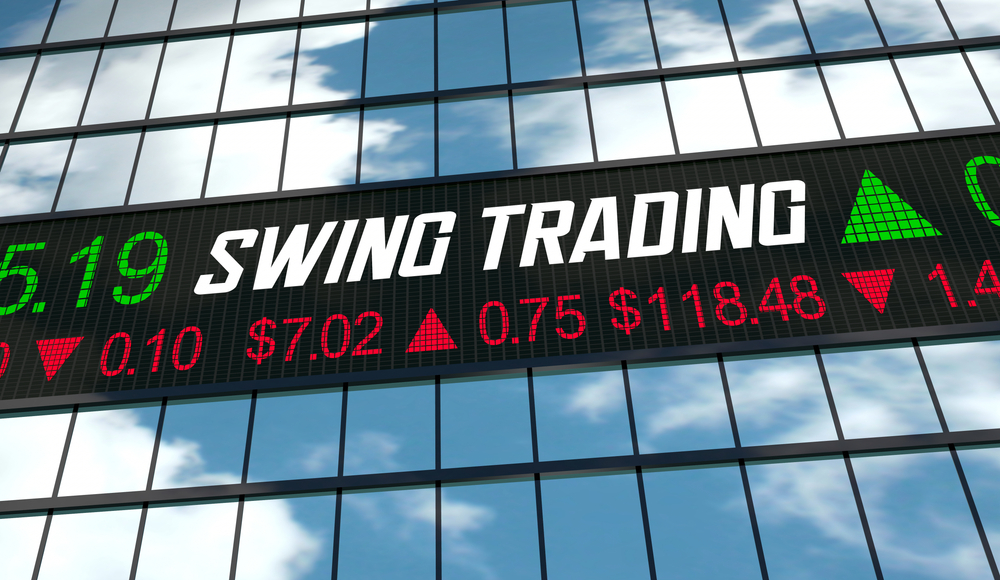
Swing trading is a trading strategy that tries to make money from price changes, or "swings," that happen over a period of time longer than a day but shorter than the long-term timeframes of most investors.
It is in between day trading, which means closing all positions before the market closes, and long-term investing. The goal of swing trading is to find assets that are about to move in a certain direction over the course of a few days to a few weeks.
Finding and taking advantage of the momentum of a trend as it happens is one of the most important parts of swing trading. Traders use technical analysis to find patterns, support and resistance levels, and signs that a price movement might change direction or continue.
Swing trading is appealing because it is more efficient than day trading. It doesn't require as much constant monitoring, which makes it perfect for people who have full-time jobs outside of the financial markets. It lets you take a more laid-back approach to making money from changes in the market.
How Does Swing Trading Work?
Swing trading is when you look at market trends and hold positions for anywhere from two days to several weeks, trying to catch most of a single market swing.
With swing trading strategies, traders pay more attention to bigger price changes and usually make their decisions based on end-of-day data, which cuts down on the noise of price changes during the day.
There are three main steps that make swing trading work:
- The trader looks at charts, indicators (like Moving Averages, RSI, or MACD), and news about the fundamentals to find assets that have broken out of a consolidation pattern or are showing signs of a reversal from a previous trend.
- When the trader sees a good setup, they open a position and set a stop-loss order to limit their potential losses and a take-profit target based on how big they think the swing will be. Risk management is very important, and it usually means a reward-to-risk ratio of 2:1 or 3:1.
- The position is checked on a regular basis, usually every day, but not all the time. The trade ends when the price hits the take-profit target, the momentum dies down, or the stop-loss is triggered. This limits the risk of losing money.
This method works just as well for all types of assets, even in the very volatile digital asset market, where crypto swing trading has become a popular way to take advantage of price changes over several days.
What Timeframe Is Better for Swing Trading?
Swing trading is best done over a period of days or weeks, which sets it apart from scalping, which focuses on movements that happen every minute. Swing trading strategies use bigger chart patterns to get rid of the noise and focus on strong, long-lasting momentum. The chosen time frame needs to be long enough for a trend to fully develop in one direction.
Swing traders usually like to trade in these time frames:
- Daily (1D) Chart: This is probably the most common and best time frame. It helps traders see the "big picture" trend without being distracted by short-term price swings. It also gives them reliable signals for when to enter and exit trades that last days or weeks.
- The 4-Hour (4H) Chart is an intermediate time frame that traders often use to find the best entry and exit points after they have found the general trend on the Daily chart. It makes it easier to see how short-term momentum changes within the larger swing.
- Weekly (1W) Chart: This chart is mostly used for macro-analysis. It helps confirm the direction of the dominant long-term trend, making sure that the swing trading position is in line with the market's overall direction.
Traders usually stay away from timeframes shorter than the 4-Hour chart because the signals they make are too noisy and short-lived for swing trading to work.
What Is Scalping?
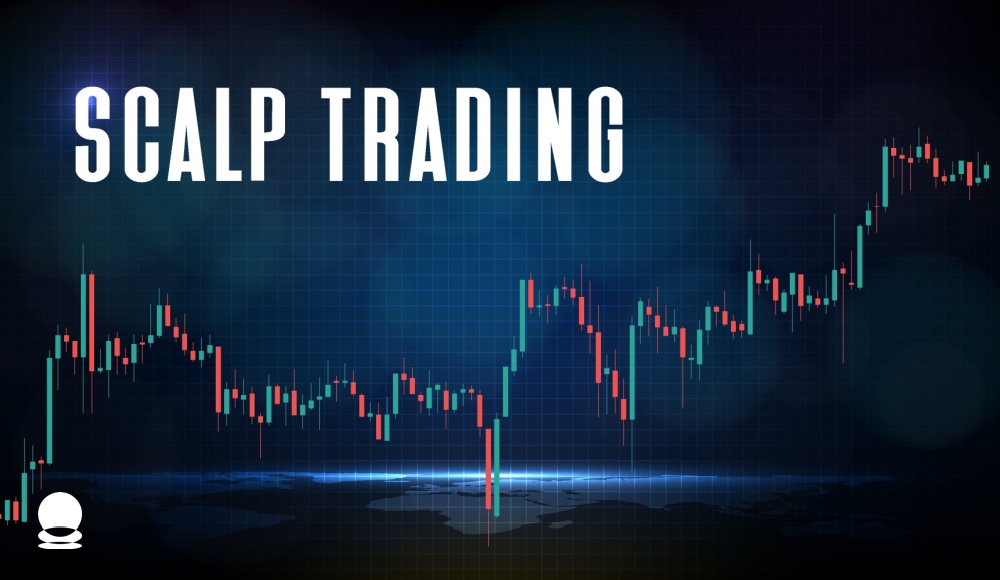
Scalping is a fast-paced trading strategy that tries to make very small profits from very small price changes during the trading day. Scalpers, on the other hand, open and close dozens or even hundreds of trades in a single session.
Their goal is to make small profits that add up to big profits over time. This method puts a lot of emphasis on speed and volume of execution. A scalper usually only stays in a position for a few seconds to a few minutes.
They don't care about big market moves or macro trends. Instead, they take advantage of small inefficiencies, bid-ask spreads, and quick changes in momentum.
Scalping is one of the hardest and most technically difficult ways to trade because it requires constant focus, highly liquid markets, and fast execution speeds. Scalping trading can only be successful if the win rate stays very high, since the profit per trade is very small.
How Does Scalping Work?
Scalping works by adding up the volume. A scalper tries to make a 0.05% move many times an hour instead of a 5% move over five days, like swing trading. The strategy calls for using a lot of leverage, very tight stop-losses, and making decisions very quickly.
Scalping trading isn't a good choice for most casual traders because the stakes are so high. The scalper looks at very short timeframes, like 1-minute and 5-minute charts, as well as the order book (Depth of Market), to find small changes in supply and demand.
Trades start and end very quickly, often with automated tools or hotkeys. This keeps slippage to a minimum and makes sure that entries and exits are as precise as possible.
Because of the use of leverage and the small profit goals, a strict stop-loss must be set right away when you enter. One bad trade can quickly wipe out the profits from a lot of small trades that went well.
A high number of trades and a win rate that stays above 70% are what make you successful. Crypto scalping is common in the digital asset space because the market is open 24/7 and prices change quickly, giving traders many chances to make small profits.
To keep track of the costs of trading so much, you need to use digital payment systems that work well. Jeton is a good choice for managing digital assets and making payments around the world.
What Timeframe Is Better for Scalping?
The best timeframe for scalping is one that is very short and very detailed. This is because the whole strategy is based on taking advantage of small price inefficiencies that come and go in seconds or minutes.
Scalping is different from swing trading because it requires you to look at the smallest charts possible to find immediate supply and demand imbalances. Successful scalping traders usually like to trade in these timeframes:
- 1 Minute (1M) Graph: This is the most common and important time frame for high-frequency scalping. It gives you the information you need to see quick price changes, often showing where to enter and exit a trade that lasts less than 60 seconds.
- 5-Second or Tick Charts: Very professional or automated scalping systems may use tick charts or 5-second charts to find the very first changes in momentum, especially in markets with a lot of liquidity.
- 5-Minute (5M) Chart: The 5-Minute chart is often used as a reference to figure out the short-term direction or flow of the market, making sure that the small trades are in line with the slightly larger momentum.
Scalping doesn't work if you use a time frame longer than 5 minutes because the price changes become too big and too slow for the strategy's high-frequency profit capture model.
Is Scalping Easier than Swing Trading?
No, scalping is generally thought to be much harder and more demanding than swing trading. People often think it's easy because the profit targets are low, but this is very misleading. Scalping trading is one of the hardest types of trading for the mind, and only a small number of people should try it.
Scalpers have to make dozens, if not hundreds, of trades every day, and they have very little time to do it. There is no time to think; choices must be made right away. Being in this high-stress environment for a long time is mentally draining.
Scalpers need to win at least 70% of the time to stay profitable after paying commissions and spreads, because the profit per trade is so low. If you lose a few trades in a row, you could lose all the money you made that day.
You need a high-performance trading setup and lightning-fast execution to scalp. In swing trading, slippage, or a delay in placing an order, is not a big deal because it can wipe out the whole profit target.
Because there are so many trades, commissions and fees add up quickly. A scalper has to be very disciplined to keep these costs down, which is only possible on platforms with very low trading fees. Swing trading, on the other hand, is less mentally taxing because it moves more slowly, requires less screen time, and gives you more time to think about your positions.
Is Swing Trading the Most Profitable?
It is wrong to say that swing trading is "the most profitable" way to trade. The strategy itself doesn't determine how profitable it is; the trader's skill, risk management, and capital do. There are successful traders in all time frames, from day trading to long-term investing. But many people think that swing trading is the best way to get a good return on their time.
Scalping can give you very high returns in percentage terms compared to the amount of money you put in for the day, but its high operating costs and psychological demands can make you burn out and not do well all the time.
Long-term investing (buy and hold) can make a lot of money during bull markets, but it can't take advantage of market downturns or periods of consolidation.
Swing trading is in a favorable place. Traders with swing trading strategies want to take advantage of big market moves that last for several days and have a lot of profit potential.
They also want to keep transaction costs low and avoid the stress of having to constantly watch the market like scalping does. Crypto swing trading also has the advantage of being able to take advantage of the extreme price swings of digital assets over set periods of time. Swing trading is often the best way for most retail traders to find a balance between their lifestyle and the money they could make.
Is Swing Trading Good for Beginners?
Yes, swing trading is usually thought to be one of the best and most recommended styles for new traders. It is a great place for beginners to start because it lets them learn important skills without the high pressure and need for quick execution that comes with scalping.
End-of-day charts are often used to make swing trading decisions. This means that beginners don't have to look at tick-by-tick charts that change all the time, which greatly lowers the mental and emotional stress that often leads to bad, snap decisions.
Fundamental technical analysis ideas like finding trends, support and resistance levels, and candlestick patterns are the building blocks of market analysis. Swing trading strategies depend a lot on these ideas.
Because trades last for days or weeks, the commission costs are low compared to scalping. This means that a smaller account can make mistakes and grow more slowly.
Swing trading uses longer timeframes, which makes it easier for beginners to set wider, more stable stop-loss levels and stick to strict risk management rules without being stopped out by small market noise.
If you're just starting out, you should learn swing trading first. It will give you the discipline and analytical skills you need before you think about scalping, which is a high-risk, high-reward activity.
Which Is Better: Swing Trading or Scalping?
Whether swing trading or scalping is "better" depends on the individual trader's profile, not on an objective measure of the strategies themselves. Both swing trading and scalping can be highly beneficial, but they cater to different types of individuals and resources.
Swing Trading Is Better for:
- Part-Time Traders and Newbies: It doesn't require as much active screen time, so you can do it while working full-time. It's the easiest style to use when making long-term swing trading plans.
- Traders Who Want Less Stress: They make decisions in a systematic way, based on established chart patterns, which helps them deal with the emotional stress of watching prices change all the time.
- Small Accounts: If you don't trade as often, you won't have to pay as many transaction fees.
Scalping Is Better for:
- Professional Traders Who Work Full-Time: It needs constant focus, dedicated resources, and a lot of technical knowledge and discipline.
- People Who Trade In High-Volume Markets: It works best in very liquid markets, like major Forex pairs or high-cap cryptocurrencies, where transaction costs are low.
- Traders Who Have Strong Control Over Their Minds: For crypto scalping, it's not negotiable that you can quickly execute trades and stay calm under a lot of stress.
Swing trading is the best choice for most retail traders because it offers a good balance of high potential return, manageable stress, and a lifestyle that fits with it. No matter what style you choose, you need quick and dependable funding.
Wrapping Up
Choosing between swing trading and scalping isn't about finding the "best" strategy, but the one that fits your life. Regardless of your choice, successful trading requires a rock-solid foundation for your capital.
Your funds need a reliable place to land. Jeton serves as the ultimate bridge between the high-speed markets and your real-world lifestyle. By offering a single account for all your payments, Jeton eliminates the need for fragmented banking, allowing you to unify your finances in one high-performance hub.
Jeton offers:
- With Jeton Wallet, you can add, send, or exchange all currencies in one app, keeping your trading profits organized and accessible.
- The Jeton Card is designed to be your go-to for every purchase. Move your trading gains from the wallet to the card and enjoy the speed of contactless payments at millions of locations.
Join 1M+ happy users who move money across 25+ countries in Europe. With 50+ payment methods, you can convert fiat cash easily and ensure your transactions are always fast and safe.
Experience the freedom of a wallet that moves as fast as a scalper and as strategically as a swing trader. Download the Jeton App either via the App Store or Google Play and sign up to Jeton today!