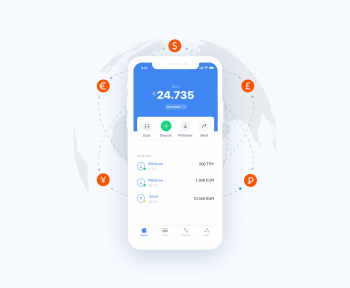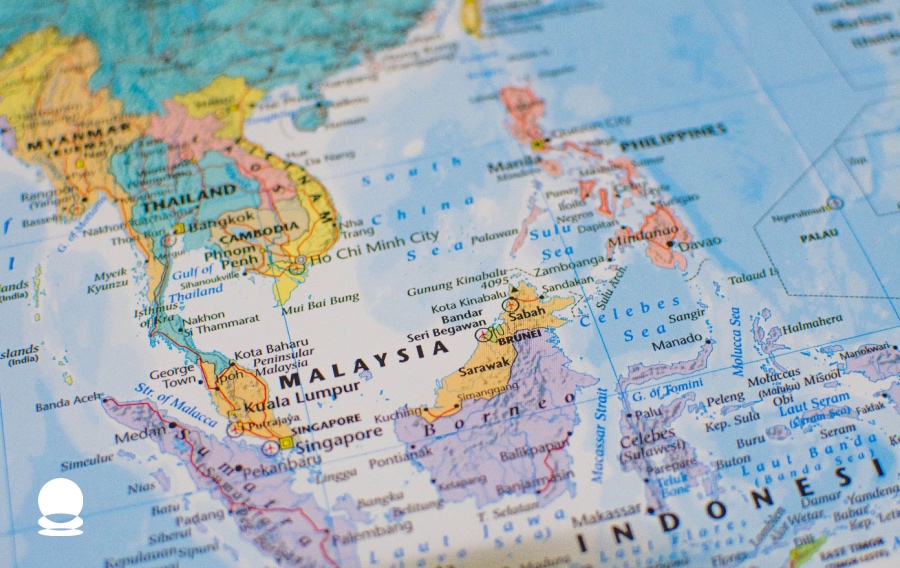
For the millions of people who live in this vibrant and diverse region, the economic landscape is currently changing due to digital payments Southeast Asia's rapid expansion. By providing consumers and businesses with previously unheard-of access to contemporary transaction tools, this expansion keeps changing the financial landscape.
Although cash has traditionally been the main form of payment, there is a significant shift toward electronic transactions due to the rising number of smartphone owners and internet users.
Traditional physical currency is gradually being replaced by more efficient electronic methods that offer greater speed and transparency as connectivity throughout the region increases. In addition to increasing trade efficiency, this shift is making it easier for people without access to traditional banking to become financially included.
The way entire communities handle their everyday economic activities and make plans for their long-term financial stability is being drastically changed by this change, which goes beyond simple technological advancements. Join us in this blog as we explore how these digital innovations are redefining the future of commerce across east and southeast Asia.
Payment Landscape in Southeast Asia
The region's present financial climate is distinguished by a special fusion of cutting-edge innovations and conventional methods that serve a range of clients. While rural areas are just now starting to reap the benefits of mobile-based financial services, large urban centers are rapidly transitioning to a fully digital experience.
- In order to enable customers to make speedy, contactless payments at the point of sale in crowded marketplaces, retailers are progressively implementing QR code systems.
- In addition to basic transfers, local banks are creating advanced mobile applications that provide all users with insurance and investment tools.
- Secure payment gateway solutions that can manage large transaction volumes without sacrificing speed or security have become necessary as e-commerce has grown.
With digital storefronts, entrepreneurs can now reach customers far beyond their local neighborhoods, opening up a plethora of opportunities. The friction that comes with traditional money management is significantly decreasing as the ecosystem expands, making the market more responsive and dynamic.
Mobile-First Payment Adoption
Since phones are now the main hub for all financial activities, the expansion of mobile wallets Asia is one of the main forces behind the region's digital transformation.
Compared to many Western markets, the shift from physical currency to mobile-based apps has happened much more quickly here because the populace is tech-savvy and comparatively young.
- Customers value how easy it is to use their portable devices to plan trips, send money to friends, and pay bills with a few taps.
- Users can rest easy knowing their digital assets are safe thanks to biometric security features like fingerprint scanning and facial recognition.
- Better budget management and immediate payment verification are made possible by instant transaction confirmations for both the merchant and the customer.
- Direct integration of loyalty programs into the payment interface promotes recurring business and provides regular users of the digital system with material incentives.
In areas where it is challenging for the general public to find or access traditional bank branches, these mobile-focused solutions work especially well. Technology is providing people with previously unheard-of control over their financial futures by transforming every smartphone into a potential bank account.
Super Apps and Digital Wallets
By fusing several services, like food delivery and ride-hailing, with an integrated payment system, super apps have expedited the fintech growth Asia experiences. Users can manage their everyday responsibilities without ever leaving the app thanks to these platforms' seamless ecosystem, which makes the payment process nearly invisible.
High levels of user engagement are increased by this integration, which also gives companies a steady stream of data that enables them to customize their products to meet the needs of specific clients.
These apps' success is predicated on their capacity to address typical issues with dependable technology that functions across multiple devices and an easy-to-use interface. These platforms have become essential tools for modern living in Southeast Asian cities because they provide a wide range of services in one place.
Financial industry leaders are now using this model as a guide to create a future digital financial ecosystem that is both genuinely integrated and easy to use. Additionally, the competition between various super apps is driving an ongoing innovation cycle that lowers costs and improves features for the end user.

Cross-Border Payment Demand
The rise in international travel, remote work, and international e-commerce is directly responsible for the rising demand for cross-border payments Asia.
For small transactions, traditional wire transfers are typically too costly and slow, which has increased demand for more adaptable and reasonably priced digital alternatives.
The numerous intermediary banks that usually impede international money transfers in the legacy system are avoided in modern systems. For families that rely on remittances from family members who work overseas, this efficiency guarantees that the greatest amount of money reaches the people who need it the most.
By making it simple to pay foreign suppliers and accept payments from clients in other nations, it also helps small businesses compete on a global scale. There are no unpleasant surprises during the international transfer process because digital platforms make exchange rates and transaction fees transparent.
Cross-border money transfers will get much easier as more nations in the region attempt to connect their national real-time payment systems. Building a more prosperous and integrated economic community that can prosper in a world that is becoming more digitally connected and interconnected on a global scale requires regional cooperation.
Government Initiatives and Regulation
Governments that recognize the advantages of a more effective and transparent financial system are actively supporting the shift toward cashless payments Asia. To make sure that no one is left behind, national initiatives frequently involve standardizing QR codes and encouraging digital literacy in the general public.
In order to safeguard consumers, stop illegal use of digital platforms, and promote innovation, clear regulatory frameworks are also being developed. These rules give businesses the legal assurance they need to invest in cutting-edge technology and broaden their service offerings into new markets.
Regulators can guarantee the stability and resilience of the financial system during a significant technological shift by collaborating closely with the private sector. The emphasis on data privacy and consumer protection is fostering the trust that will eventually lead to the widespread adoption of digital financial tools.
As governments promote the use of electronic systems for tax collection and social benefit distribution, we are also witnessing a significant change in payment trends SEA. For the benefit of all citizens, this top-down strategy is accelerating the shift away from physical currency and fostering the development of a more contemporary, data-driven economy.
Financial Inclusion Through Digital Payments
The empowerment of the underbanked and unbanked populations in many nations is one of the most important effects of the current technological wave. Financial service providers can now reach people in remote locations who previously had no way to access formal banking or savings products by utilizing mobile infrastructure.
By enabling more people to save, invest, and receive payments in a secure way, this inclusivity significantly contributes to the region's overall economic growth.
- Users can now store money and conduct transactions using mobile devices as portable bank accounts, eliminating the need for a local physical branch.
- Low-income people can begin their path to financial independence more easily thanks to streamlined verification procedures and lowered entry requirements.
- Users can eventually increase their access to credit and other crucial financial services by building a financial history with the aid of digital payment records.
These groups participate in more active local and regional trade as they become more accustomed to using digital tools, which benefits their communities' general economic health. The move away from cash eventually lowers the chances of loss and theft, offering a more secure basis for handling individual and family wealth.
Security and Trust Challenges
Strong security measures and customer trust are more important than ever as mobile wallets Asia takes over as the main way to handle money. Platform developers must constantly innovate in response to cybersecurity threats and sophisticated fraud schemes to guarantee that user data and funds are always protected.
In addition to technical know-how, building long-term trust requires open communication about information handling practices and user protections. Reputable platforms reduce the risks involved in digital money transfers by implementing a variety of defense techniques, such as encryption and real-time fraud detection.
When customers are assured that their transactions are tracked and that they have options in case of an error, they are more likely to embrace new technologies. The sustainable growth of the digital ecosystem is based on customers feeling free to experiment with new payment and savings methods thanks to this emphasis on security.
Education is also important because users need to know how to protect their accounts by creating strong passwords and being aware of social engineering scams. The network as a whole becomes more resilient against the changing threats present in the contemporary digital landscape when users and providers collaborate to prioritize safety.

Merchant Adoption Trends
In the retail industry, where businesses of all sizes are modernizing their payment systems, the current rapid fintech growth Asia is evident.
The objective is to give the modern consumer a seamless experience, whether this is achieved through the use of QR codes by street food vendors or the integration of sophisticated point-of-sale systems in large department stores.
It is now essential to accept digital payments in order to remain competitive in a market where customers desire touchless and quicker transactions.
- Faster settlement times and reduced overhead costs related to handling, shipping, and safeguarding substantial quantities of real currency are advantageous to merchants.
- Digital systems give business owners useful data insights that improve cash flow management, inventory tracking, and customer preference understanding.
- By making it easier for customers to shop, accepting a large variety of domestic and international payment methods creates new revenue streams.
In addition to helping small businesses become more professional, the shift to digital also makes it simpler for them to apply for business expansion loans and handle taxes. We anticipate an even greater density of digitally prepared merchants in both urban and suburban areas as the technology becomes more accessible and user-friendly.
Regional Payment Innovations
Many countries are collaborating in novel ways to link their real-time payment infrastructures due to the demand for cross-border payments Asia. The experience of travelers and migrant workers sending money home is greatly enhanced by these regional networks, which enable instantaneous transfers between nations with negligible fees.
These developments are increasing the efficiency and integration of the regional economy for all parties involved by decreasing dependency on traditional correspondent banking networks.
Additionally, programmable money and smart contracts are becoming more and more popular. The fact that these technologies are utilized for everything from supply chain finance to insurance payouts demonstrates the adaptability of contemporary digital financial infrastructure.
One of the most important steps in developing a truly responsive and globalized financial market is the ability to settle transactions instantly across various legal jurisdictions.
Even with new systems that clearly show exchange rates and fees before a transaction is even started, transparency is still of utmost importance. This guarantees that there are never any hidden fees when sending money internationally and empowers users to make better-informed financial decisions.
Future Growth Opportunities
Given the emergence of new opportunities in the fields of microfinance, social commerce, and decentralized finance, the transition to cashless payments Asia is far from over. Specialized payment solutions that can manage high-frequency, low-value transactions will become more and more necessary as more industries shift their operations online.
Mobile technology will therefore probably be applied in even more inventive ways to address particular local issues while preserving access to the global financial network. Additionally, we are seeing noteworthy payment trends SEA that indicate embedded finance, which is the complete integration of financial services into non-financial applications.
This implies that people will have direct access to credit, insurance, and investment products through the apps they use for social media, entertainment, and shopping. Because of this high degree of integration, financial management will no longer be a distinct and frequently difficult task for the average person but rather a smooth part of everyday life.
Future developments will be influenced by the emphasis on sustainability as businesses search for methods to lower the energy usage of their digital networks and advance green finance.
The technology is expected to develop into an even more potent instrument for promoting environmental responsibility and social change throughout Southeast Asia.
Wrapping Up
The transformation of digital payments Southeast Asia is not just a trend; it is a fundamental shift in how the region connects with the global economy. As connectivity deepens across southeast Asia countries, the reliance on cash is fading, replaced by integrated Asia payments ecosystems that prioritize speed and accessibility.
From the bustling markets of east and southeast Asia to the rising tech hubs, businesses and consumers are increasingly seeking a reliable southeast Asia payment gateway that can handle both local and global needs.
Navigating these international money transfer methods no longer requires finding an "international money transfer near me," as mobile-first solutions bring the bank directly to the palm of your hand.
Jeton is here to empower your journey through this evolving landscape with a robust Asia payment gateway solution. Whether you are a business owner scaling across borders or an individual sending an international money transfer, our multi-currency wallet account provides the flexibility you need.
With the Jeton Card and Jeton Virtual Card, you can manage your assets across multiple currencies and enjoy secure, instant spending. Stay ahead of the digital curve and simplify your finances in one of the world's most dynamic regions.
Download the Jeton app via the App Store or Google Play according to your smartphone use, easily sign up, and unlock the full potential of your multi-currency account with one app for all needs!