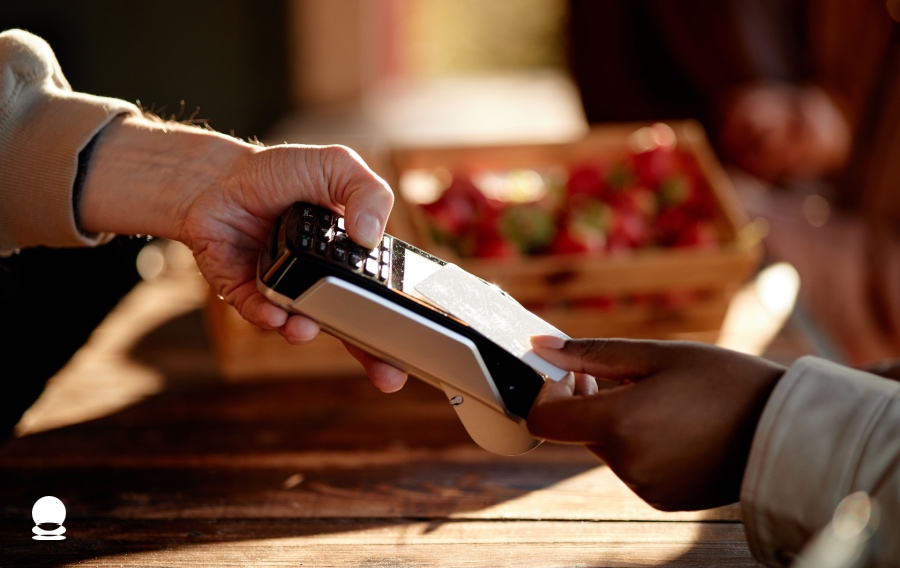
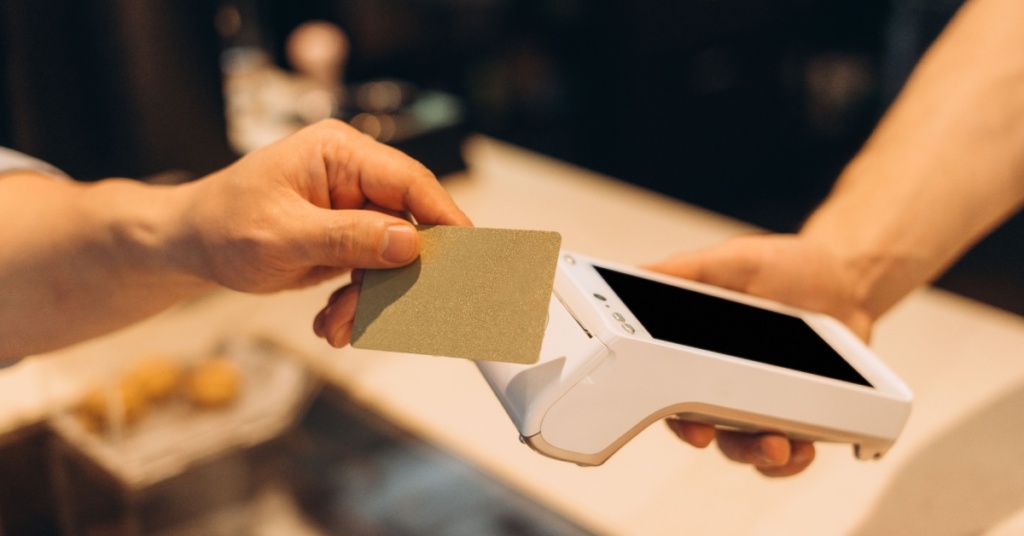
The contactless card can be used in the same way as a standard credit or debit card, but there are several significant changes. Contactless cards are often praised for their speed and ease; instead of swiping your card through a machine to make purchases, you merely hold your card near the terminal to complete the transaction.
Ever wondered how a simple card could redefine the way we make transactions in the fast-paced world of modern finance? Enter the realm of advanced payment technology—a revolutionary development seamlessly integrated into our daily lives. So, what makes these modern cards extraordinary, and how do they alter global consumer behavior?
Join us in this blog as we explore what is contactless payment, how it works, its safety regulations, and how countries like India, Japan, and Chile are embracing this monumental shift toward a cashless society.
What Exactly Is a Contactless Card?
To grasp this financial shift, we must first understand the core contactless payment meaning. A modern contactless payment card is like a new and improved payment tool equipped with integrated antenna modules. You can just tap or wave it near a fancy point-of-sale terminal to make safe transactions.
So easy! These options are way cooler than those old-school magnetic stripe or chip cards. You don't even have to touch the terminal to make a payment. It's like magic, but faster and easier, streamlining daily checkouts.
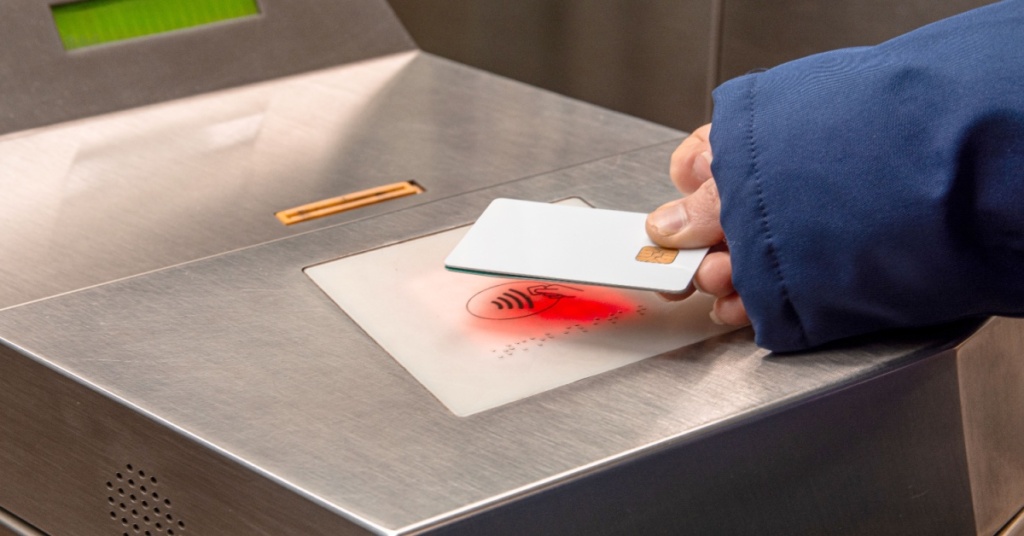
If you look closely at your physical card, there is a simple way to identify this feature. When wondering how to know if a card is contactless, simply search for the recognizable wave symbol of four curved lines printed directly on the plastic.
Related Content: Card-Free Payments: Paying Without Carrying a Wallet
How Do Contactless Cards and Payments Work?
If you are curious about engineering, how does contactless payment work on a daily basis? In order to function, these cards rely on radio frequency identification (RFID) or close-range NFC contactless payment technology to safely transfer data.
Embedded within the plastic is a tiny chip that communicates with the merchant's POS terminal when brought into close proximity. This transmission usually occurs within a short range of a few centimetres, typically from less than 10 cm away.
While using your card, it creates an unique electromagnetic field that is detected by the terminal reader. Once this electromagnetic signal is converted into binary data, it is decoded and interpreted securely by the payment reader.
The machine subsequently confirms your identification and debits the right amount from your account funds. This communication is fully encrypted, ensuring the absolute security of the transaction the moment the two devices exchange information.
Discover More: Advantages of Contactless Payments (2026)
Unlocking the Convenience of Modern Payments
One of the reasons why contactless payment is so popular with customers is the incredible convenience they provide. The use of these cards can save you time at the checkout counter because they do not require extra steps.
They eliminate the need to tap your card deep into a terminal, sign your name, or type in a PIN code for small amounts. They also give convenience because you don't have to worry about bringing paper cash with you when you go out.
It is not necessary to take your card out of your wallet or handbag, swipe it, and then wait for the machine to notify you how much money is being deducted. Simply waving the card in front of the scanner is all you need.
But the convenience doesn't stop there—modern contactless payment methods extend beyond physical cards to your smartphone, transforming your mobile device into an all-in-one digital wallet that acts as a comprehensive contactless mobile payment solution.
By downloading a specialized contactless payment app and linking your information, making in-store purchases becomes a quick wave of your phone over the reader. Learning how to use contactless credit card features on your phone makes daily tasks completely hassle-free.
Is Contactless Card Safe?
Due to the recent rise in the use of these tools, there have been some concerns raised, since there are possible security risks to be aware of. Therefore, it is critical to evaluate the question of “Is contactless card safe?” for daily use.
Because they do not require a PIN for smaller purchases, critics worry it might be easier for criminals to steal funds. It is true that someone who has stolen a card could attempt a quick swipe at a retail place.
Fortunately, a variety of precautions have been put in place to keep contactless payment card security incredibly tight. The data transmitted during a transaction is fully encrypted, protecting users against potential remote data breaches.
To mitigate fraud, financial institutions establish a specific contactless payment limit or a maximum amount for contactless payment per transaction. This means large purchases will still require your secure PIN code.
Additionally, a strict contactless payment limit or contactless payment daily limit restricts how many times a card can be tapped sequentially. This effectively prevents thieves from draining an account if the card is misplaced.
For those who want total control over their accounts, users often ask can you disable contactless payment entirely. Most modern mobile banking platforms allow you to freeze or disable the feature instantly with a single tap.
India Goes Cashless with Digital Solutions
Our financial habits have walked a long way from sea shells to fiat currencies, and it was a matter of time to evolve all our payments into cashless versions. The recent pandemic was just a wake-up call to speed up the process.
The cashless situation is pretty bright for one of the most populous countries, India. Through its massive labour force and continuously developing structure, India is moving rapidly toward an advanced, digital-first economic ecosystem.
Digital payment volume in India has increased at an annual rate of 50 per cent in the last five years. This stands as one of the world's fastest growth rates of embracing cashless purchases, showcasing the innovative face of developing India.
In 2016, India introduced the Unified Payments Interface (UPI), which allows gathering different bank accounts under one mobile version. Consumers doubled their online payments via UPI in its first year, bringing fresh breath to the economy.
Other ways of India mobile money are debit/credit cards and digital wallets. According to recent statistics, Indians opt to pay through debit cards more frequently than credit cards in physical shops.
Related Content: Digital Wallets: A Great Way to Shop in India
Japan Embraces Cashless Salaries and Modern Tech
We live in a world of whirling change where everything in our daily routine evolves continuously, from our communication mediums to digital payment systems. Cashless payments now reign supreme in how global workers receive their monthly wages.
In contrast to its impression as a nation dedicated to traditions, Japan is the birthplace of many technological innovations. Japanese national companies hold the pulse of what’s new or what’s about to penetrate our daily lives.
According to recent research, Japanese consumers realized the importance of modern financial safety by a growing number of 38%. A large portion of the tech-savvy population now utilizes QR codes and mobile terminal scanners.
Since Japanese finances slowly shift away from cash, the government is getting ready to introduce businesses to pay salaries using cashless payment accounts. This includes utilizing certified digital wallets instead of slow bank checks.
The move towards cashless salaries isn't just about convenience; it's about making life easier. By going cashless, companies can cut down on heavy administrative costs, allowing resources to be invested where they matter most.
Going digital also helps tackle issues like unregistered work and shady financial dealings. With every transaction recorded transparently, it becomes much harder for anyone to slip under the radar and exploit the system.
Furthermore, navigating the banking system in a new country can be daunting for foreign workers. Cashless salaries offer a lifeline, allowing them to receive their hard-earned wages without the need for a traditional bank account.
Explore More: Ways to Get Paid as a Freelancer
Contactless and Cashless Payments in Japan
In recent years, contactless electronic Japan payment methods—also known as cashless payments in Japan—have proliferated. An overview of the most popular and practical contactless transactions in Japan is provided below.
Electronic Japan payments that do not require a PIN or signature, such as credit cards, virtual cards, and IC cards, are all considered contactless. While some systems rely on QR codes, other systems employ advanced chips.
In contrast to other countries throughout the world, Japan has a slightly different approach. Pasmo and Suica transit cards have been a big thing for years, originally used to tap into public transportation systems.
As time went on, more and more stores around Japan began to accept them as a means of payment. Therefore, it is not unexpected that one of the most widely used methods is the digital counterpart of these transit cards.
Mobile app-based payments are gaining massive traction and are even beginning to give reward points. Smartphone financial apps are highly useful if you are a foreign national and are unable to obtain a traditional credit card.
You can transfer money to and receive money from anybody else using the same app effortlessly. While EMV is the standard for NFC-based card payments outside of Japan, many local merchants still accept the unique FeliCa chip.
The Suica transit cards and the two most popular credit payment systems in Japan, QUICPay and iD, use this chip. You'll need either QUICPay or iD to link your card to modern mobile wallets for cashless transactions.
Contactless and Cashless Payments in Chile
Chile has always been an attraction centre for those curious about literature, history, and travel. However, reality reminds us of the inevitable fact that we must be able to make payments if we want to explore those treasures.
The recognition and acceptance of contactless payments in Chile are incredibly high. The internet penetration rate of Chile reaches up to 92%, which is remarkable considering the 19.5 million population of the country.
By considering recent data regarding the payment methods in Chile in e-commerce, we see that the usage of cards is 58%. Bank transfers hold 12% of those transactions, followed closely by digital e-wallets at 10%.
Cash payments hold a minor percentage of the market, meaning having a high amount of physical cash is not a must. During the pandemic, a significant change occurred as consumers refrained from touching dirty currency surfaces.
In addition to hygiene, carrying cash can get dangerous in locations with a notable crime rate. Holding a large amount of paper money in your wallet may lead to the unwanted attention of thieves and robbers.
The usage of contactless cards in face-to-face transactions increased dramatically in Chile. According to the latest statistics, NFC payments in Chile have risen to 34% of total revenues, proving their modern adaptation.
Furthermore, estimated Point of Sale (POS) terminals that are contactless ready reach up to 75% across the country. You may use your cards at restaurants, supermarkets, and shops where you spend money with ease.
If you have a contactless card with you, you may spend your days without worrying about your financial transactions. This lets you explore the gorgeous landscapes or local boutiques with absolute peace of mind.
Discover More: Chile Payments Guide
Contactless and Cashless Payments in Poland
Poland is a magnifique land expanding from the Tatra Mountains to the Baltic Sea, where a myriad of civilisations created a colourful culture. The nation has adapted rapidly to modern European financial standards.
Polish financial consumer habits show an incredible preference for digital efficiency. The infrastructure across major cities allows users to complete transactions using their smart devices or advanced debit cards effortlessly.
Learning how to use contactless payment systems in Poland is completely seamless. Most local merchants, open-air markets, and public transit systems feature updated terminals that process wireless data in seconds.
Whether you are looking to purchase traditional ceramics or settle a dinner bill, your smartphone can handle it. This relies heavily on secure offline contactless payments and quick encryption protocols built into modern apps.
Also Explore: Poland Payments Guide
Wrapping Up: Your Ticket to Global Financial Freedom
No matter where you are in the world—whether you are budgeting in New Delhi, navigating Tokyo transit, exploring Santiago, or dining in Warsaw—the transition to wireless transactions is inevitable. Managing multiple currencies shouldn't be a headache.
What is a contactless debit card if not your ticket to borderless spending? The Jeton Visa Debit Card functions as an all-digital what is a contactless payment card choice, giving you a seamless wearable contactless payment or mobile experience globally.
As the best contactless payment app for international users, Jeton bridges the gap between local habits and global flexibility. Our platform supports over 50 payment methods in over 25 countries, helping you dodge pricey exchange rates.
Thanks to its fluid integration with systems like Apple Pay and modern Android wallets, users can start paying with ease. You can manage your card activities, track your spending, and finalize transactions instantly.
The rise of digital transactions, including our credit card contactless payment ecosystem, has permanently changed our relationship with money. This contactless payment technology will only continue to increase in popularity.
Why wait to experience the peak of financial flexibility across borders? Download the Jeton app via the App Store or Google Play and take charge of your global wealth with one app for all needs!